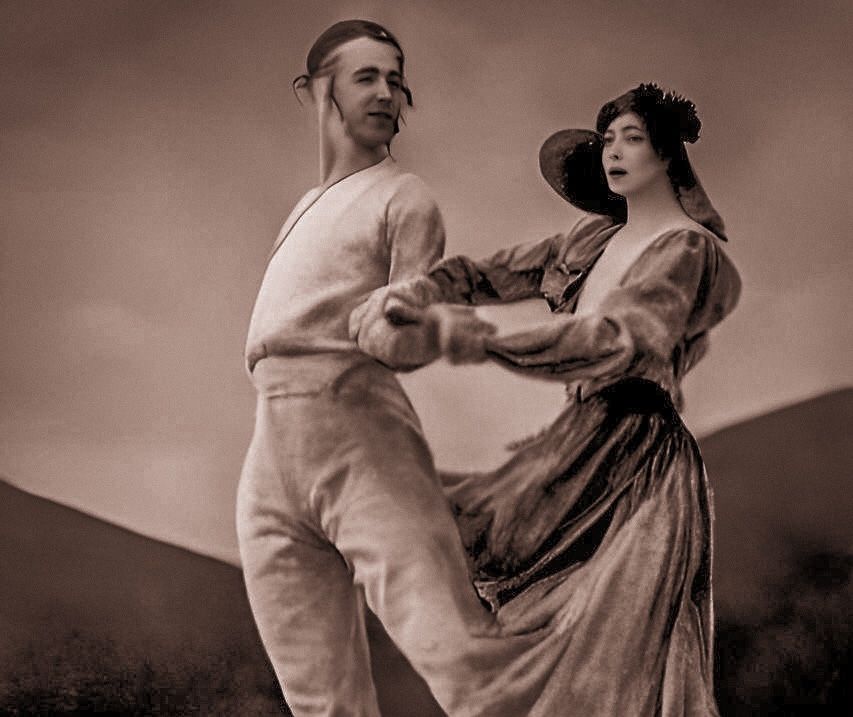
Just imagine having a gigantic sideburn, and doing that thing where you’re leaning on a bar, and you look like you’re being pulled back by the ear, like you’re drowning and need help.
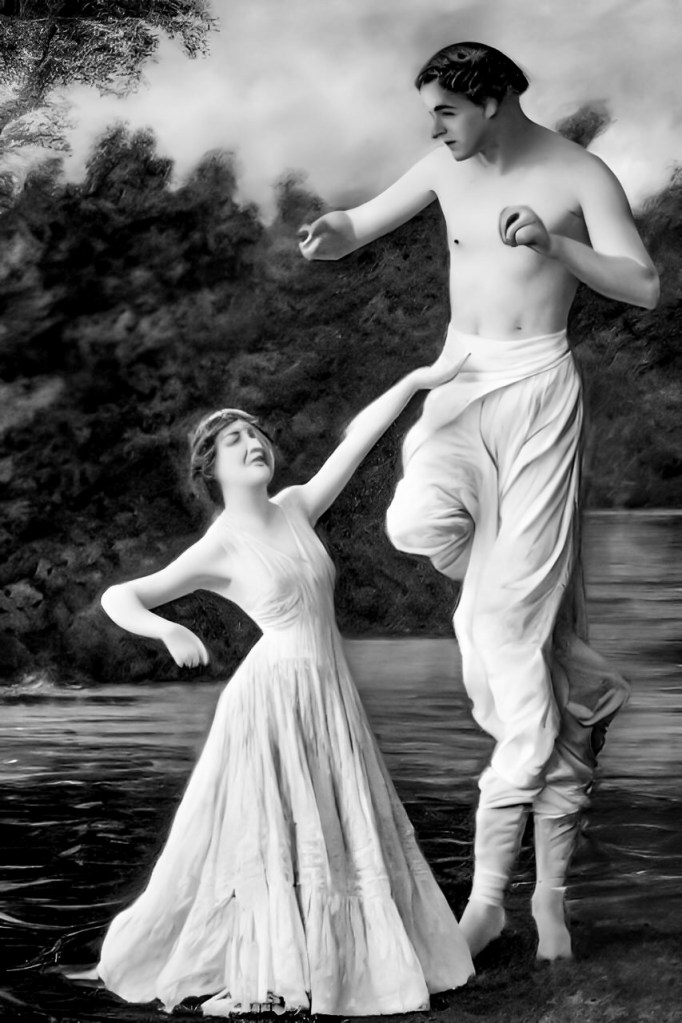
Anyway, the story of the Chateaugay Lake resort says that around 1918 a giant Jack Clifford and his “barn dances” were reported in New York, and he would appear at Chateaugay Lake where there was a big barn, which is where his “barn dances” were held.
Some people think Jack Clifford was the basis for the character played by Arnold Moss in the film The Naked Kiss (1964), and that Jack is probably why I like that movie so much; which makes sense since, being a kid at the time, I used to watch it a lot, and thought it was funny. I mean Jack the giant, it has to be Jack.
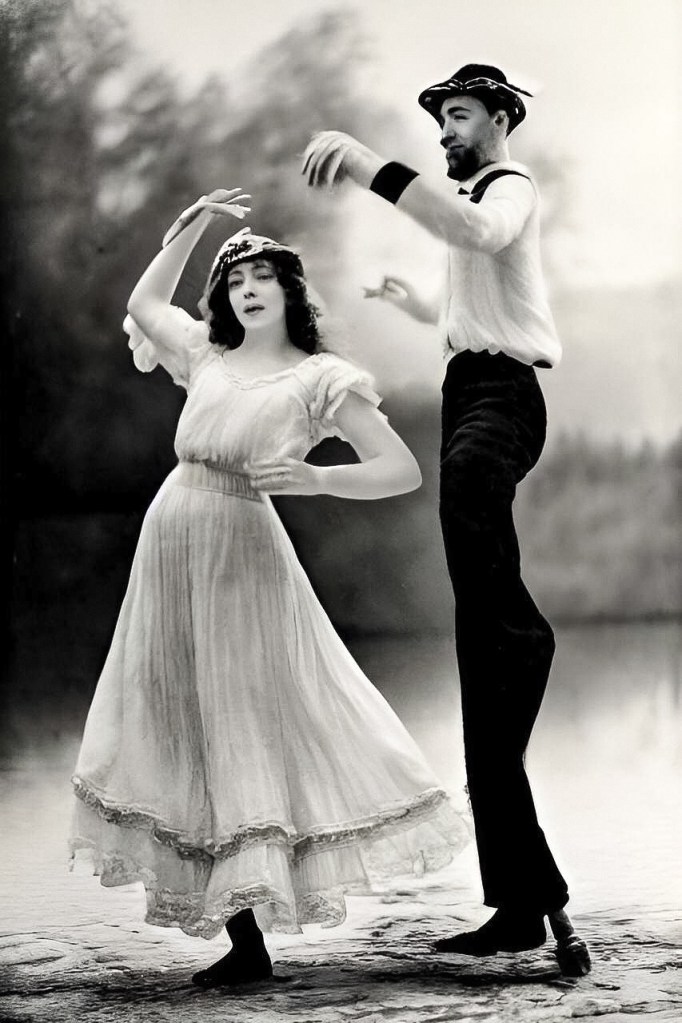
Or, maybe not, it may have been someone else. There is a guy that could have been Jack Clifford, I guess it would have been cool if it was Jack, but there are some questions I have about Jack Clifford.
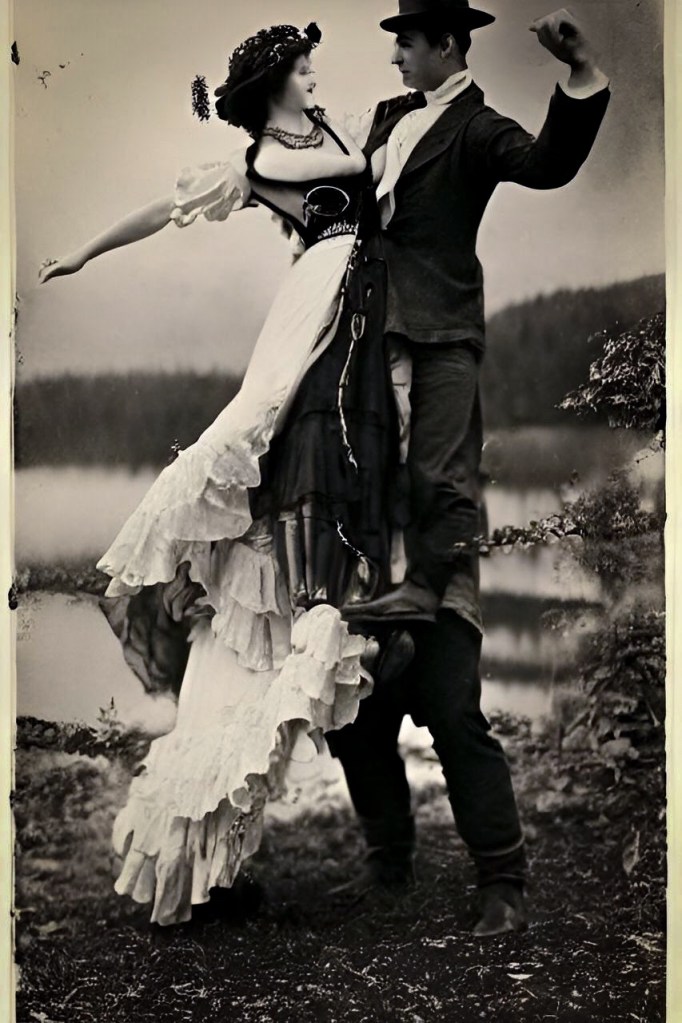
You see the story of the giant who danced at the Chateaugay Lake resort is that he would put an ad in the New York newspapers, like the “New York Times” and also “The New York Sun”, and the story about Chateaugay Lake in the “New York Sun” was that he came to NYC from California and was a lumberjack in the mountains, but he became famous after he danced his giant dance, and a Hollywood movie star wanted to see him do his giant dance, so he let him know, and the man took a train all the way from California to see the giant dance, and got there just in time.

Jack Clifford was the star of the circus at Chateaugay Lake, in his own way.
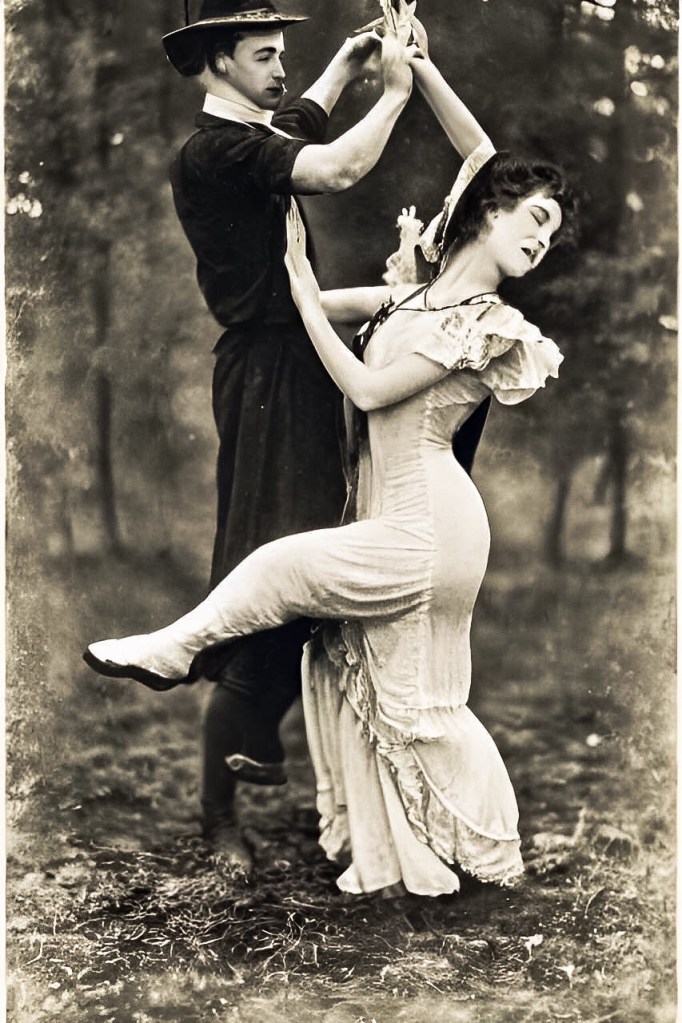
Well this story of Jack Clifford is the story of Chateaugay Lake, and is pretty much the story of the resort’s beginning in the first place. There’s the story of the circus, and the cowboys, and the show business, and the guy in the cowboy hat and jacket, which seems to have a big star on it. The guy was known as the clown who walked on stilts, he was the guy on the roof of a tent, in the middle of the woods, in the New York woods, there’s a circus tent with a guy on stilts and an audience of people, and it is getting dark out, it’s a New York night, the circus is starting to wrap up, it’s over, it’s nighttime, there’s a guy in the top of the tent, and people at the sides.

So I think I have a pretty good idea that Jack Clifford was the star of this circus, but I don’t think Jack was the guy on stilts. It’s Jack’s face that I see on the star, and I think the guy on stilts was also someone else. It would be too much of a coincidence for both the man with the circus and Jack to have the same last name, and for that guy to be Jack’s son. The guy on stilts was the star of this show, and he was probably a star of a show before this one, and it might not have been Jack at all, because Jack was not a star yet. He was the guy who danced in the circus, but I doubt Jack Clifford was the clown who walked on stilts; the clown guy probably knew about Jack, and maybe even knew him, but that guy wasn’t Jack.
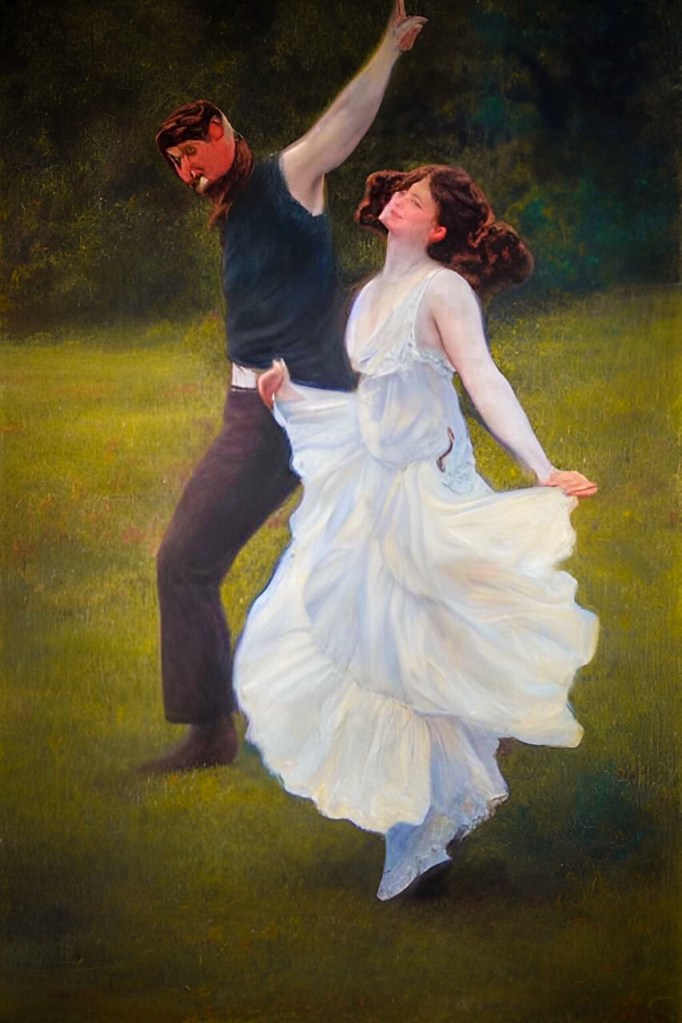
When I look at the photograph of Jack Clifford, I see Jack the giant.
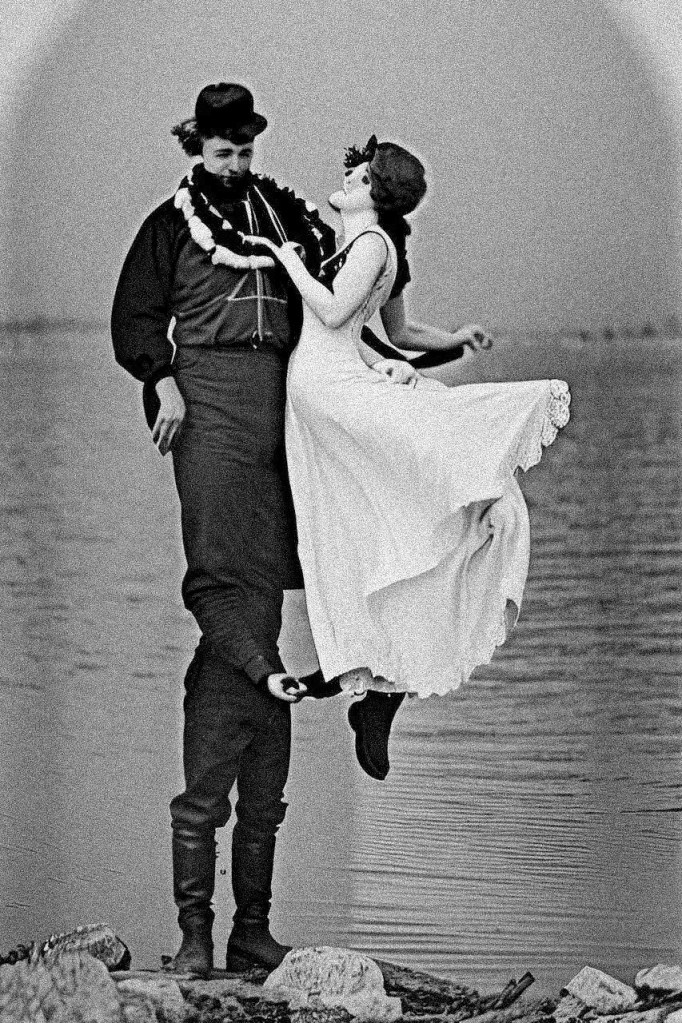
I see someone who danced the giant dance.
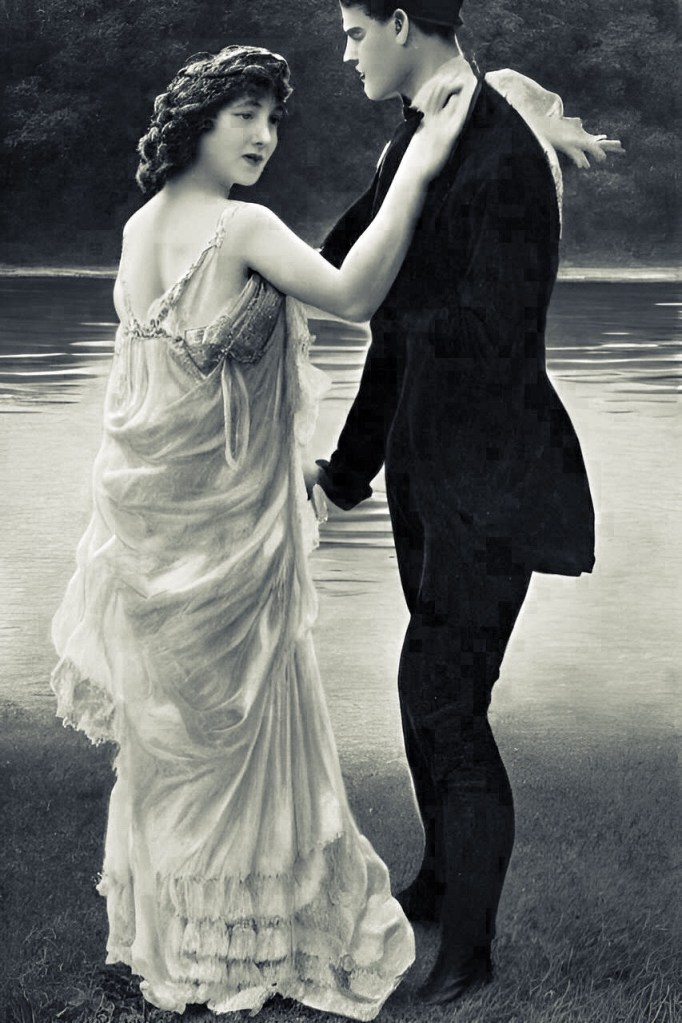
If it was Jack, it was a show business kind of Jack, and Jack always went to shows, and there was probably a show business aspect to it too, even back then; when the famous photographer Alfred Eisenstaedt snapped him in front of the car with Eleanor Roosevelt.

Jack Clifford was an old-time show business guy, and he was into show business and the entertainment industry, and he was a showman who had fun, was a show-off, and was a show business showman, and he was a giant. And he was the star of the show.
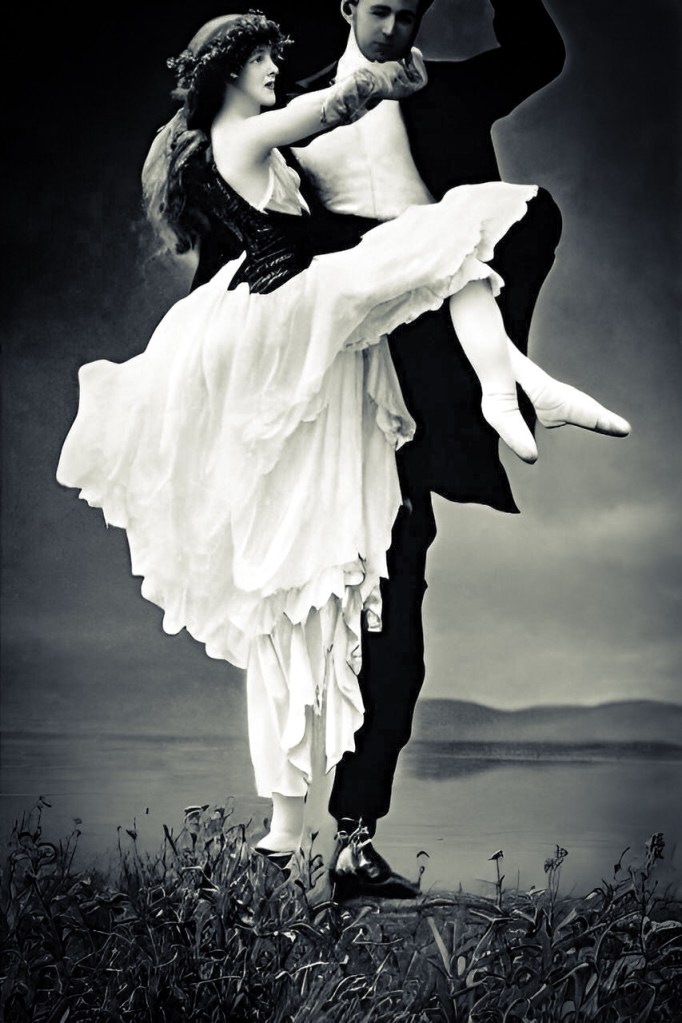


What mysteries of Chateaugay Lake haunt you?