By Edgar Allan Poe, Special Correspondent, The Chateaugay Record
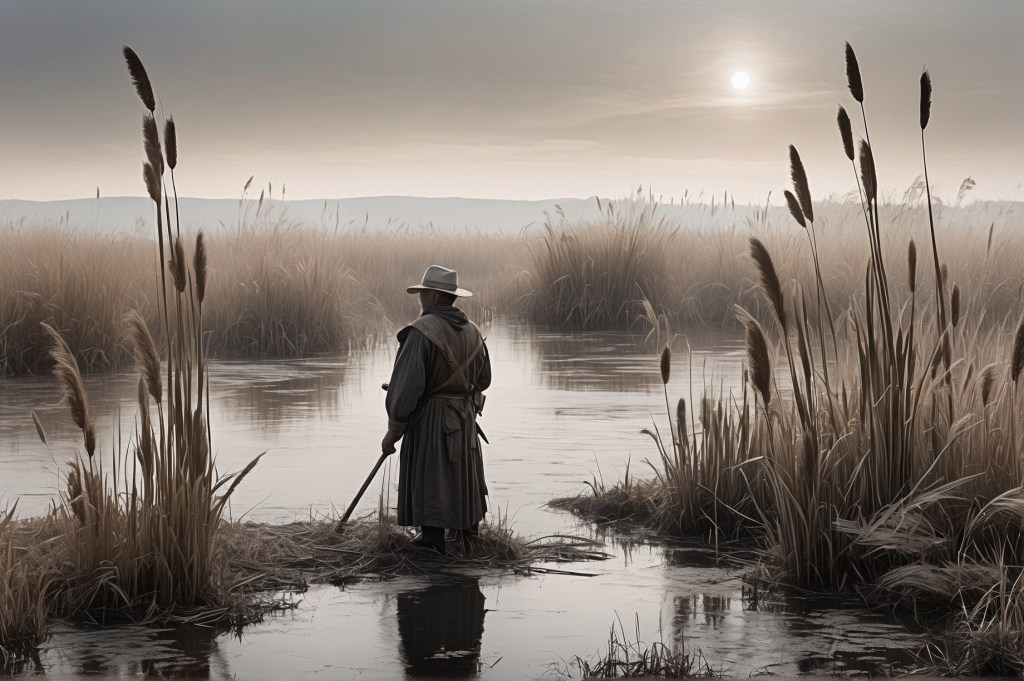
South Inlet — A ghastly pall has descended upon the sylvan paradise of Chateaugay Lake! An unspeakable terror, a blight upon the very fabric of reality, has reared its ravenous head amidst the whispering pines and crystalline waters. The Wendigo, that chilling fiend of Algonquin legend, has transcended the realm of campfire tales and become a monstrous reality!
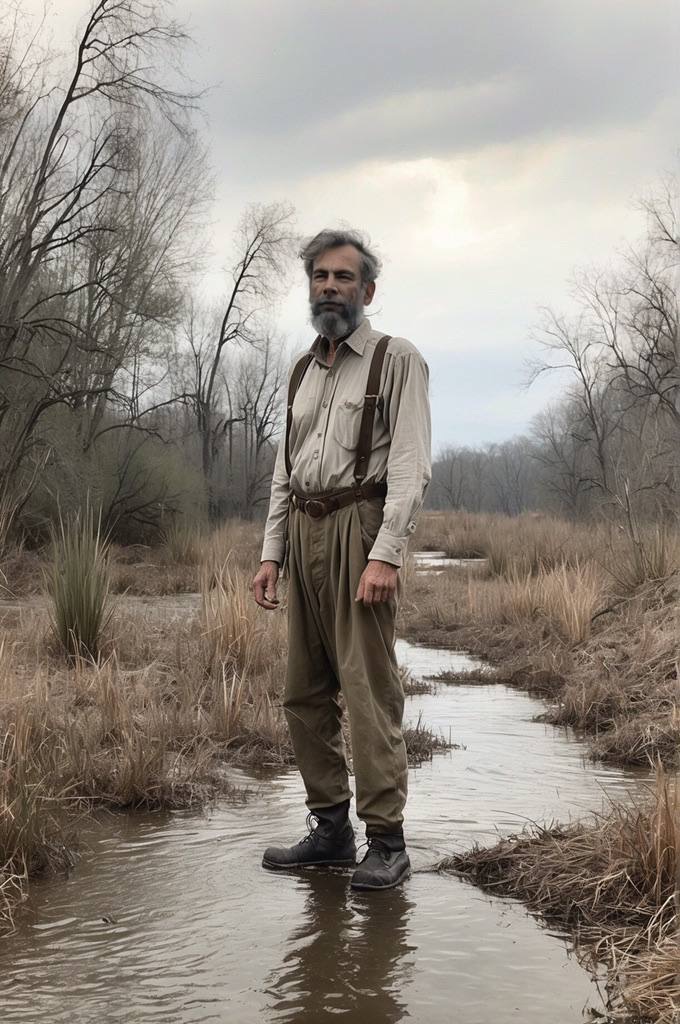
Imagine, dear reader, the unimaginable! Those innocuous marsh reeds, the cattails, stand accused as the catalyst for this unholy awakening. Local men, their faces etched with a mixture of defiance and abject dread, claim to have received death threats for daring to harvest these seemingly benign plants. What unholy connection exists between the cattail and the Wendigo’s resurgence, only the Great Manitou himself may know!
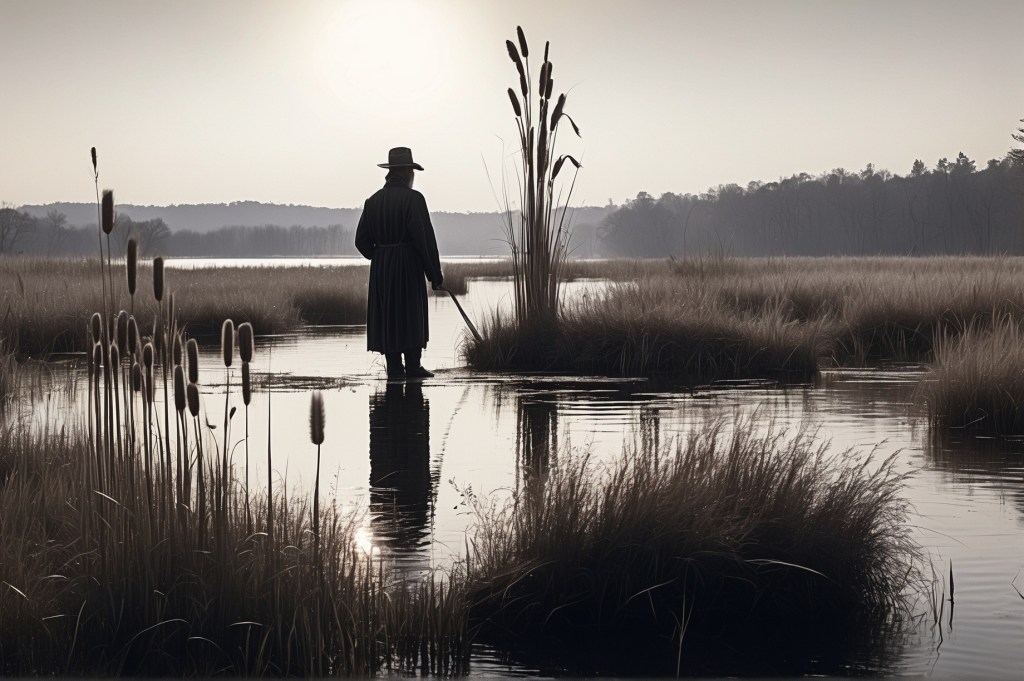
A veritable plague of sightings, or perhaps a descent into mass delusion, has gripped the populace. Frantic whispers fill the air, tales of hulking, gaunt figures with eyes that burn like smoldering embers. Their voices, a cacophony of guttural growls and tormented moans, pierce the tranquil night, leaving behind a trail of unbridled terror. Has the Wendigo, once a spectral harbinger of famine, become a flesh-and-bone nightmare, stalking the twilight hours and feasting upon the very essence of human sanity?
Professor G. Edward Gauvin, a scholar of esteemed repute and a specialist in the macabre Wendigo phenomenon, offers a chilling prognosis. He speaks of the Wendigo of his youth: a spectral predator, a harbinger of misfortune. Now, he fears, it has shed its ethereal cloak and become a tangible embodiment of insatiable hunger! His pronouncement, delivered with a voice trembling with dread, echoes through the Adirondacks: “We are in trouble, dear God, we are in trouble!”
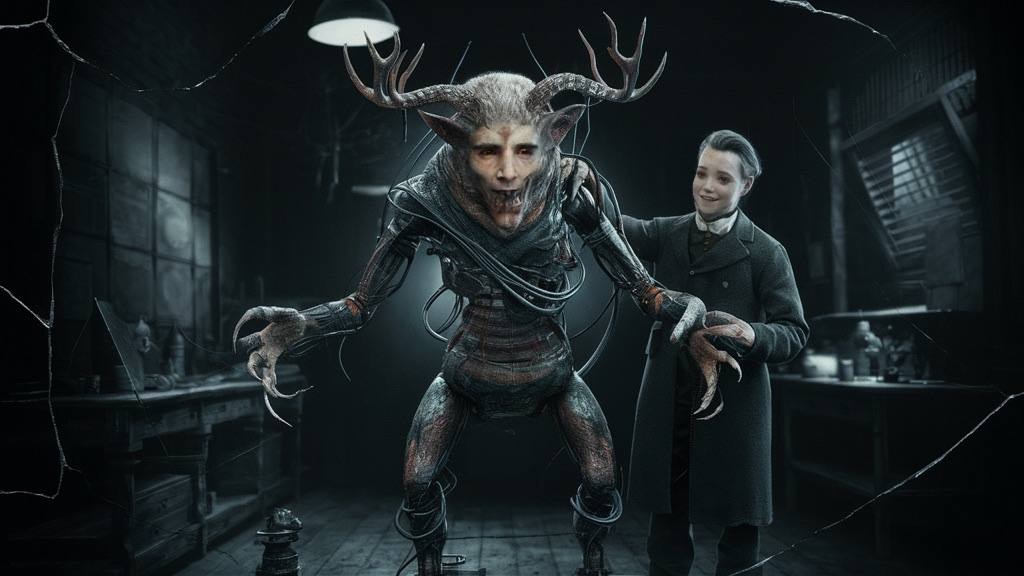
But amidst the rising tide of paranoia, a lone figure steps forward, a man courting controversy and madness in equal measure: Marius Ritter, a self-proclaimed Wendigo enthusiast, proposes a solution both audacious and terrifying. He suggests unleashing a monstrous countermeasure – Wendigo bots! These human-forged abominations, allegedly imbued with the very essence of the Wendigo itself, are presented as the only force capable of repelling the alien threat Ritter believes orchestrates this chaos.
However, Ritter’s horrifying proposition ignites a firestorm of debate. Voices, laced with a righteous fury, denounce the folly of employing such an insatiable entity. Visions of a future consumed by these monstrous machines, their insatiable hunger turning upon their creators, paint a tableau more horrifying than even the Wendigo itself!
Pauline Tanner, a hapless tourist seeking refuge within the ominously named Wendigo Inn, speaks for many with her trembling declaration: “Wendigos need to eat something… these bots can’t even feel anything… undocumented people are coming to the area who might harm them.”
But a more chilling theory, whispered amongst the locals, sends shivers down the spine. Could the Wendigo be a tool of these supposed aliens? Are these sightings not of a monstrous entity, but of Wendigo “spirits” inhabiting these human-made vessels, pawns in a cosmic game beyond human comprehension?
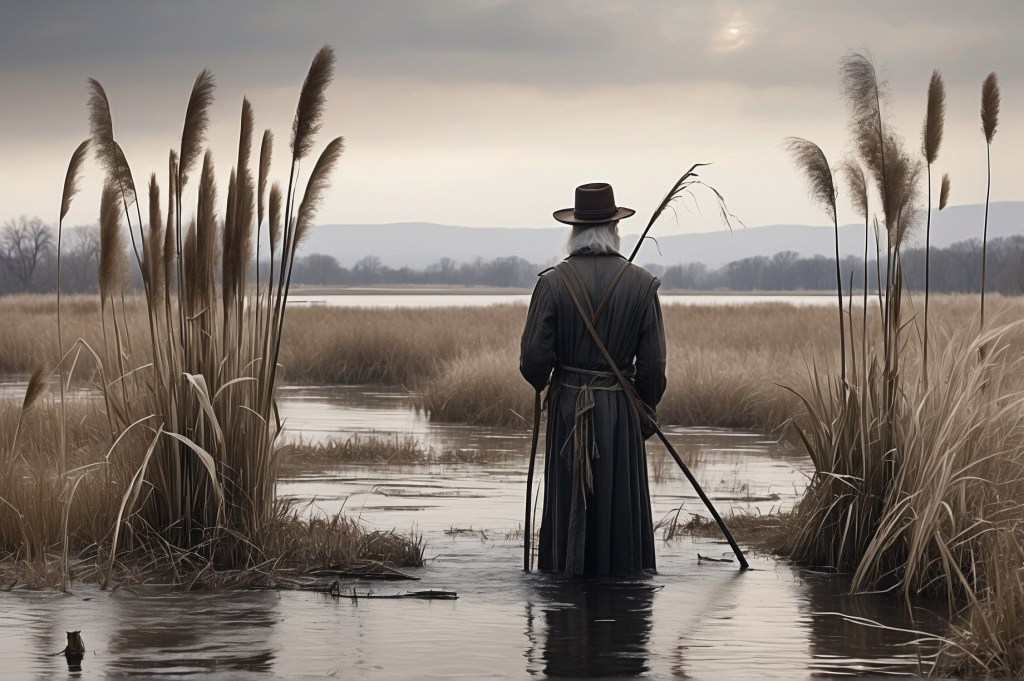
The very fabric of reality seems strained, distorted by an unseen force. Are these sightings a mere figment of mass hysteria, a collective psychosis fueled by isolation and the encroaching darkness? Or is there a malevolent force at work, manipulating the shadows and preying on the primal fear that lurks within the human soul?
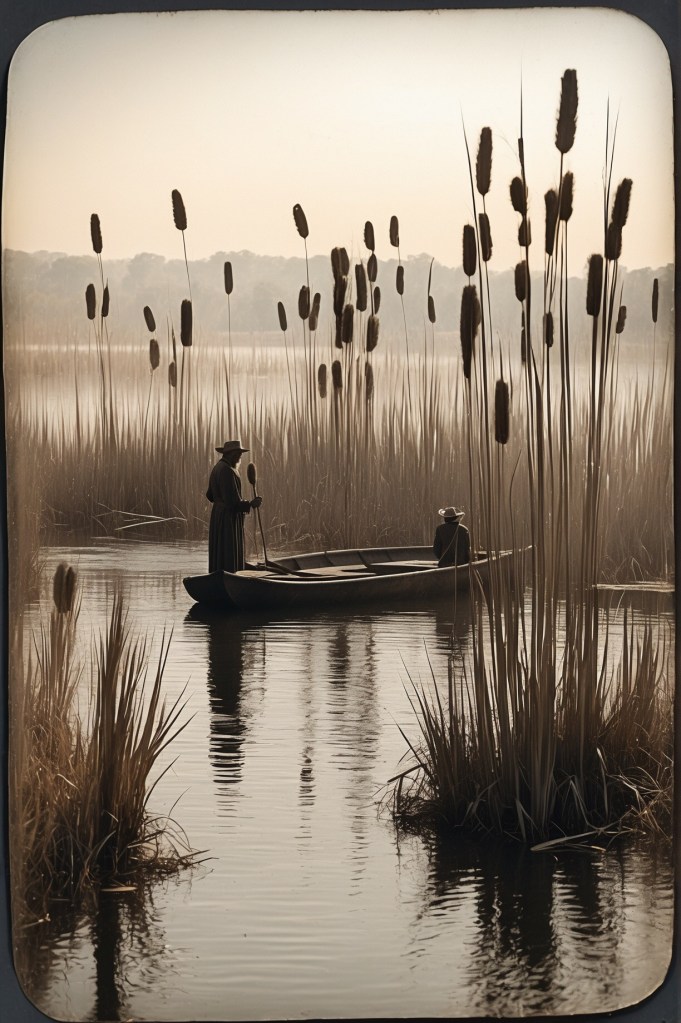
One thing is certain: the idyllic serenity of Chateaugay Lake has been shattered. A gnawing hunger, a relentless pursuit hangs heavy in the Adirondack air. As the sun dips below the horizon, casting long, skeletal shadows across the landscape, a chilling question arises: are we witnessing the dawn of a new terror, or the horrifying return of an ancient evil?
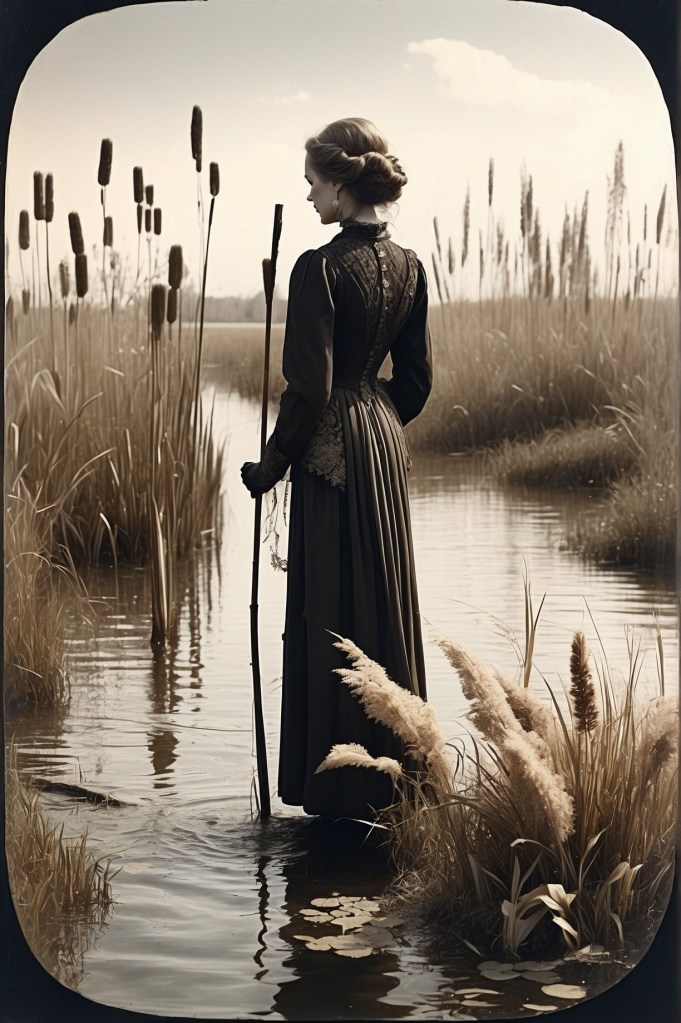

What mysteries of Chateaugay Lake haunt you?