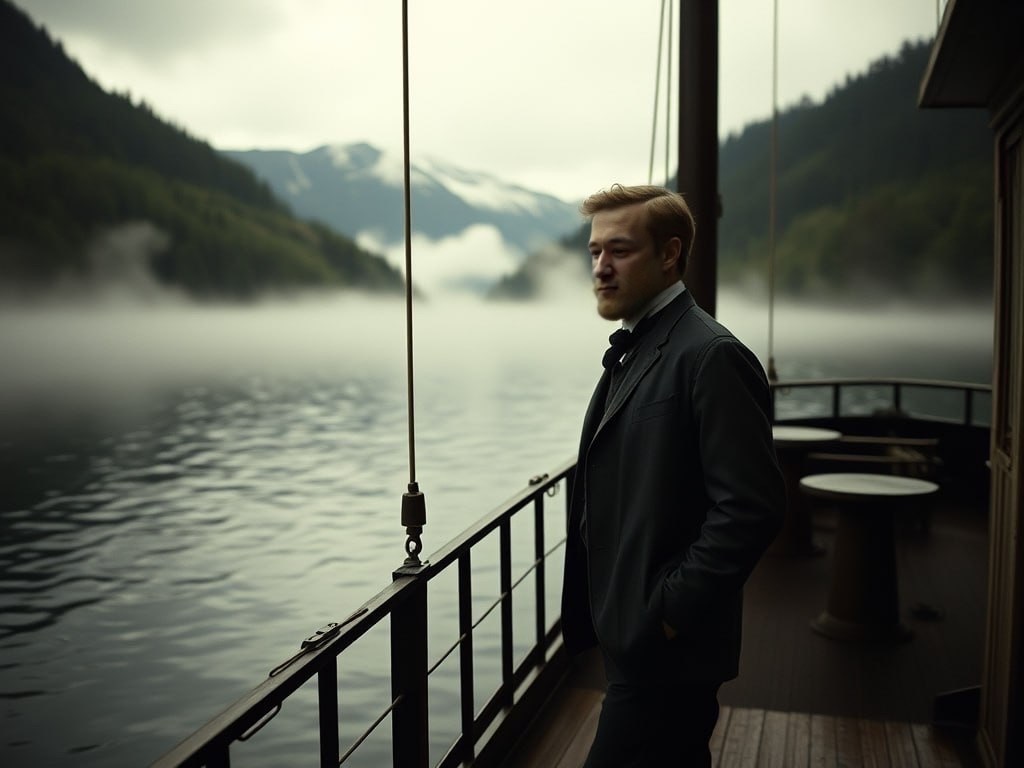
Steamboat Dispatch: A Crime Serial
By Our Special Correspondent
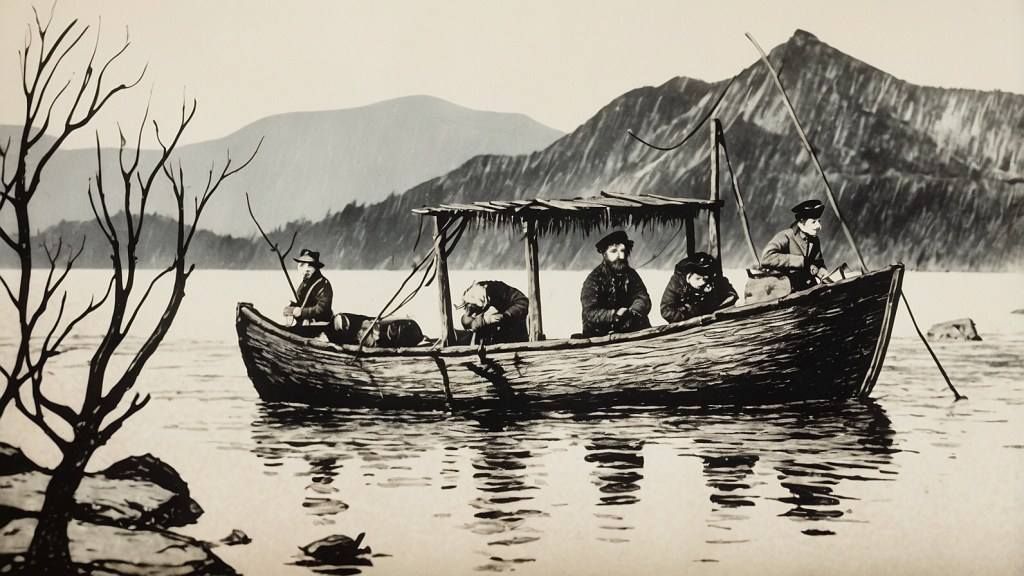
Chapter One: In the late 1870s, Chateaugay Lake’s tranquil façade hid a growing cultural conspiracy led by the Chateaugay Lake Steamboat Pirate Syndicate, under the enigmatic Captain Sable. Sable, a shadowy figure rumored to have ties to European composers and secret societies, aimed to transform the lake into a cultural hub, attracting brilliant minds and cementing the pirates’ control. His plan? To craft a new genre of music—”avant-garde pirate improvisation”—designed to mesmerize audiences and lure artists, composers, and writers. This chaotic, haunting sound, played aboard retrofitted pirate steamboats, reverberated across the Adirondacks, ensnaring imaginations. Word spread, and soon, cultural elites flocked to the lake, drawn by the strange music. The syndicate encouraged this influx, manipulating public perception and establishing Chateaugay as a cultural epicenter. But as their influence grew, so did the attention of outsiders, including Quinn, a determined detective, who suspected something darker was at play. His investigation set the stage for a confrontation with Captain Sable, revealing the chilling extent of the steamboat pirates’ manipulation. The tale is one of art, crime, and culture colliding, with danger lurking beneath every note.
Chapter Two: The Composer and the Muse
The summer of 1899 brought a new visitor to the shores of Chateaugay Lake, a young composer from Connecticut whose name would one day be spoken alongside the greats. Charles Ives was just twenty-four years old when he made the journey to the Adirondacks, lured by the tales of a strange and revolutionary music being played on the lake’s misty waters. But what began as a pilgrimage to witness this new art form soon became an experience that would haunt Ives for the rest of his life.

Ives was a curious soul, a man drawn to the unconventional, the dissonant, and the mysterious. His music had always leaned towards the experimental, influenced by the clamor of NYC’s city streets and the cacophony of New England church choirs. But nothing could have prepared him for the sounds he encountered on Chateaugay Lake.
Upon his arrival, Ives was greeted not by the familiar refined salons of Yale, but by the rugged beauty of the Adirondack wilderness. The dense forests and towering mountains seemed to whisper ancient secrets, and the lake itself, dark and deep, mirrored the sky in a way that made it difficult to tell where the world ended and the heavens began. It was a landscape both sublime and terrifying, a fitting backdrop for the music that awaited him.
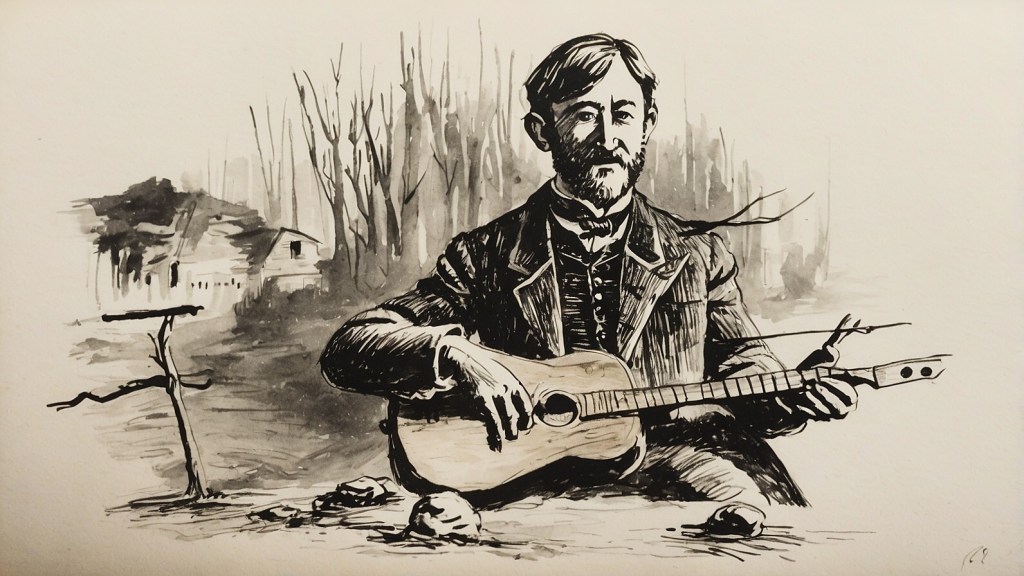
Ives had been invited to one of the infamous improvisational music concerts held by the Chateaugay Lake Steamboat Pirate Syndicate. These concerts were the stuff of legend, with rumors circulating of the wild, avant-garde improvisations that defied all musical conventions. But Ives, ever the iconoclast, was not content to merely listen—he wanted to understand the forces behind the music.
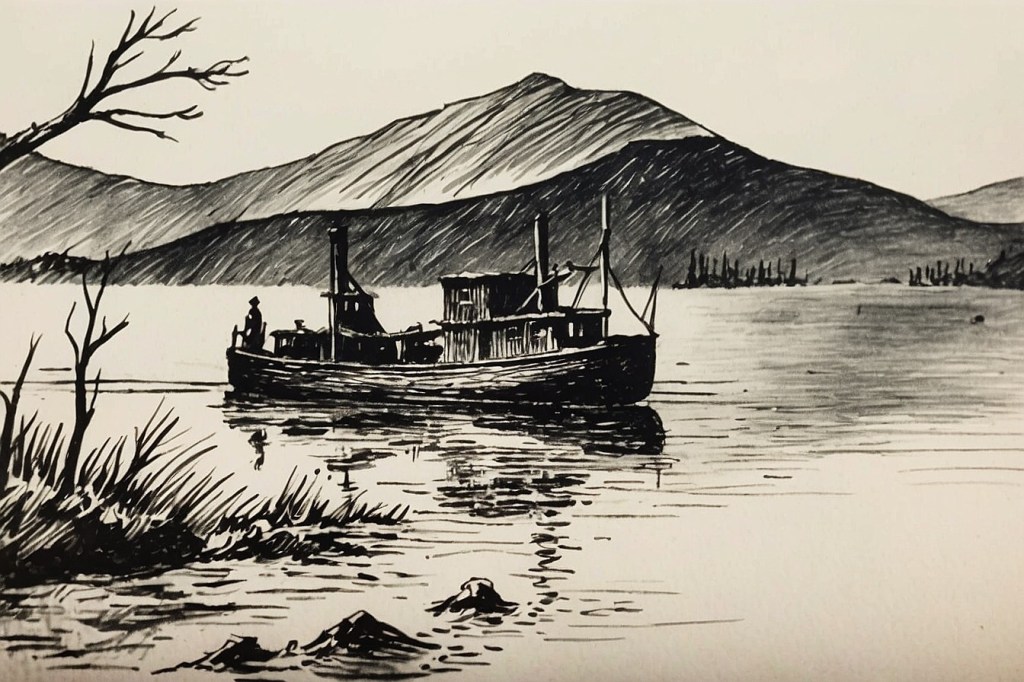
The night of the concert, Ives boarded the syndicate’s flagship steamboat, the *Adirondack*, his heart pounding with anticipation. As the boat glided silently across the water, the air was filled with a palpable tension, as if the very atmosphere were charged with electricity. And then the music began.
It was unlike anything Ives had ever heard. The musicians, some of whom were rumored to be former members of prestigious orchestras, played with a ferocity that bordered on madness. The melodies were jagged, the rhythms unpredictable, and the harmonies clashed in ways that should have been unbearable—but weren’t. Instead, the music seemed to tap into something primal, something that resonated with the deepest parts of the soul.
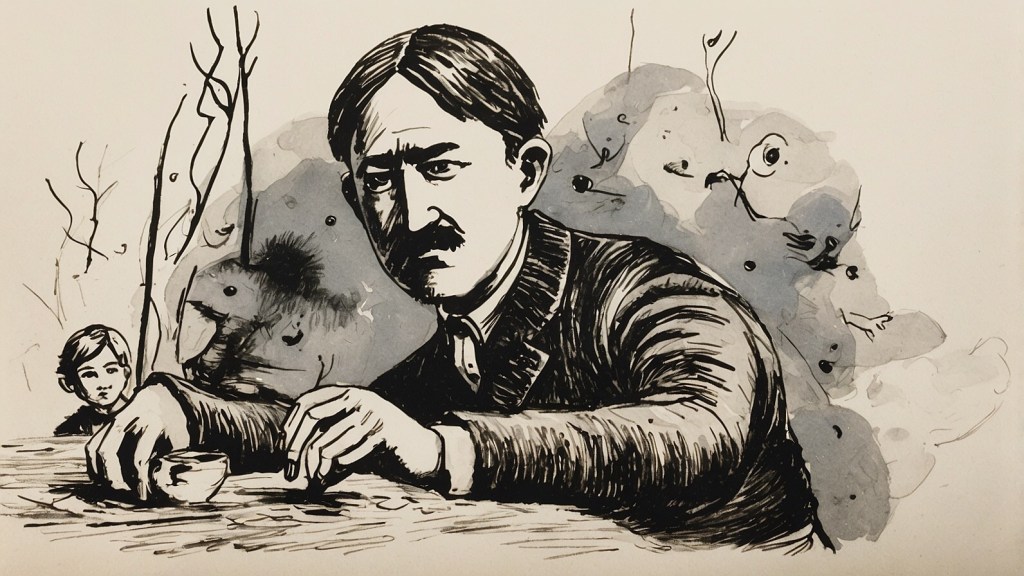
Ives was transfixed. The sounds of the instruments, warped and distorted by the strange acoustics of the lake, seemed to echo the wilderness itself—the howling of wolves, the rustling of leaves, the distant calls of birds. And beneath it all, there was a darker, more sinister undercurrent, a sense that the music was not just a creation of man, but something older and more powerful, something that had always been a part of the lake.
As the concert reached its climax, Ives found himself overcome by a feeling he could not explain. It was as if the music had opened a door in his mind, allowing him to see beyond the physical world and into the realm of the spiritual. In that moment, he felt a connection to the lake and its surroundings that went beyond mere admiration—it was a communion, a merging of his own spirit with the wilderness around him.
But the experience was not without its dangers. After the concert, Ives was invited by some of the locals to a “hootenanny” at a nearby tavern. These gatherings, a mix of music, dance, and revelry, were a tradition in the region, a way for the inhabitants to let loose and celebrate their shared history and culture. Ives, still buzzing from the concert, eagerly accepted the invitation.
The tavern was a rough-hewn building, its walls adorned with the trophies of whitetail deer hunts long past, its tables scarred by years of use. The air was thick with the scent of tobacco and whiskey, and the sound of fiddles and banjos filled the room. The locals welcomed Ives with open arms, eager to share their music and their stories with the visiting young composer from Danbury.
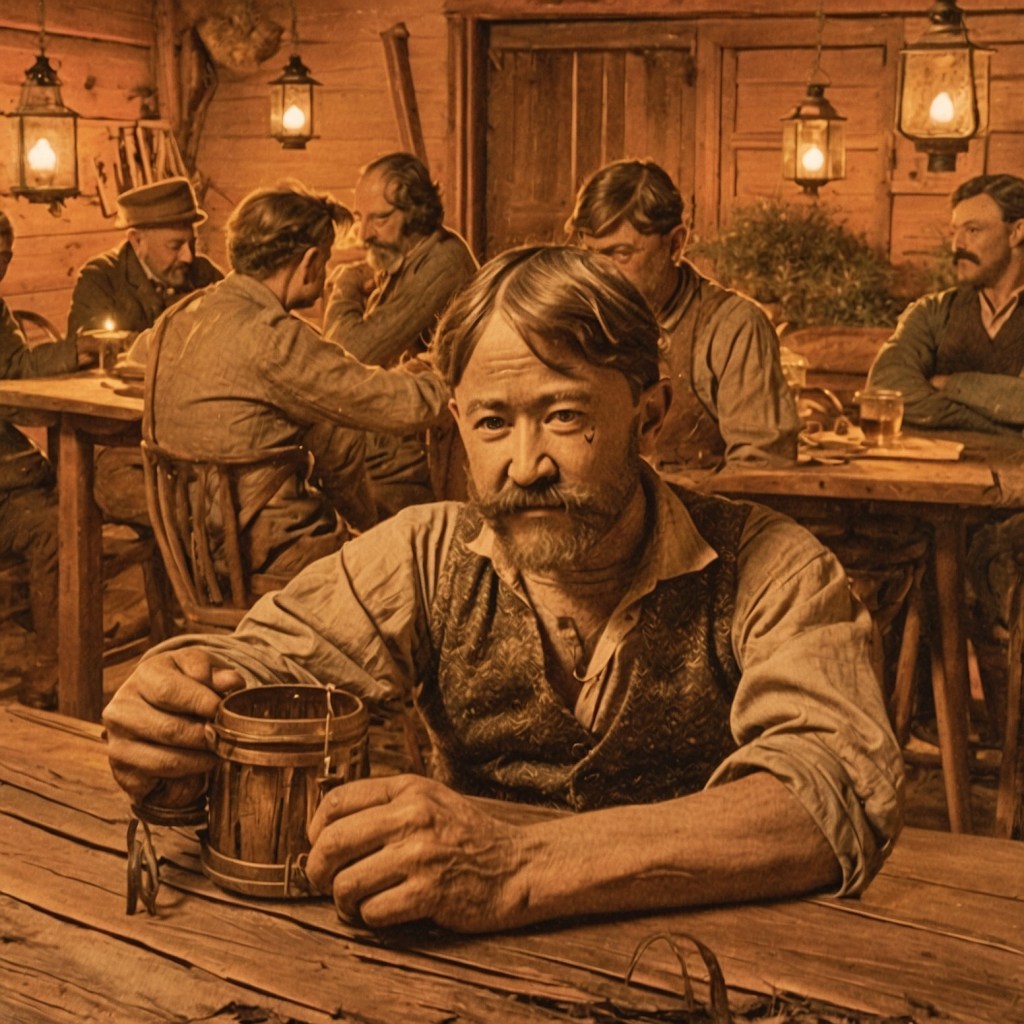
At first, Ives was content to listen, tapping his foot in time with the music as he sipped from a mug of ale. But as the night wore on, something strange began to happen. The music, lively and exuberant, took on a more frenzied, almost manic quality. The fiddles screeched, the banjos plucked faster and faster, and the stomping of feet grew louder and more insistent. It was as if the very spirit of the wilderness had taken hold of the musicians, driving them to ever greater heights of intensity.

And then, as if possessed by that same spirit, Ives himself was overtaken by a wild impulse. He leaped atop one of the tavern tables, his eyes wide with excitement, and began to shout and sing in a voice that was not quite his own. He grabbed a strange contraption—a jury-rigged instrument of indeterminate origin, part horn, part drum—and began to play it with abandon, producing a sound that was half music, half animal cry. His voice rose and fell in strange, guttural tones, mimicking the snorting of deer and the howling of wolves, as if he had become a creature of the forest himself.
The crowd was stunned into silence, watching in awe as Ives continued his bizarre performance. Some whispered that he had been taken by the spirit of the Wendigo, the ancient entity said to haunt the forests of the North Country. Others simply watched, transfixed by the raw, unbridled energy that flowed from the young composer.
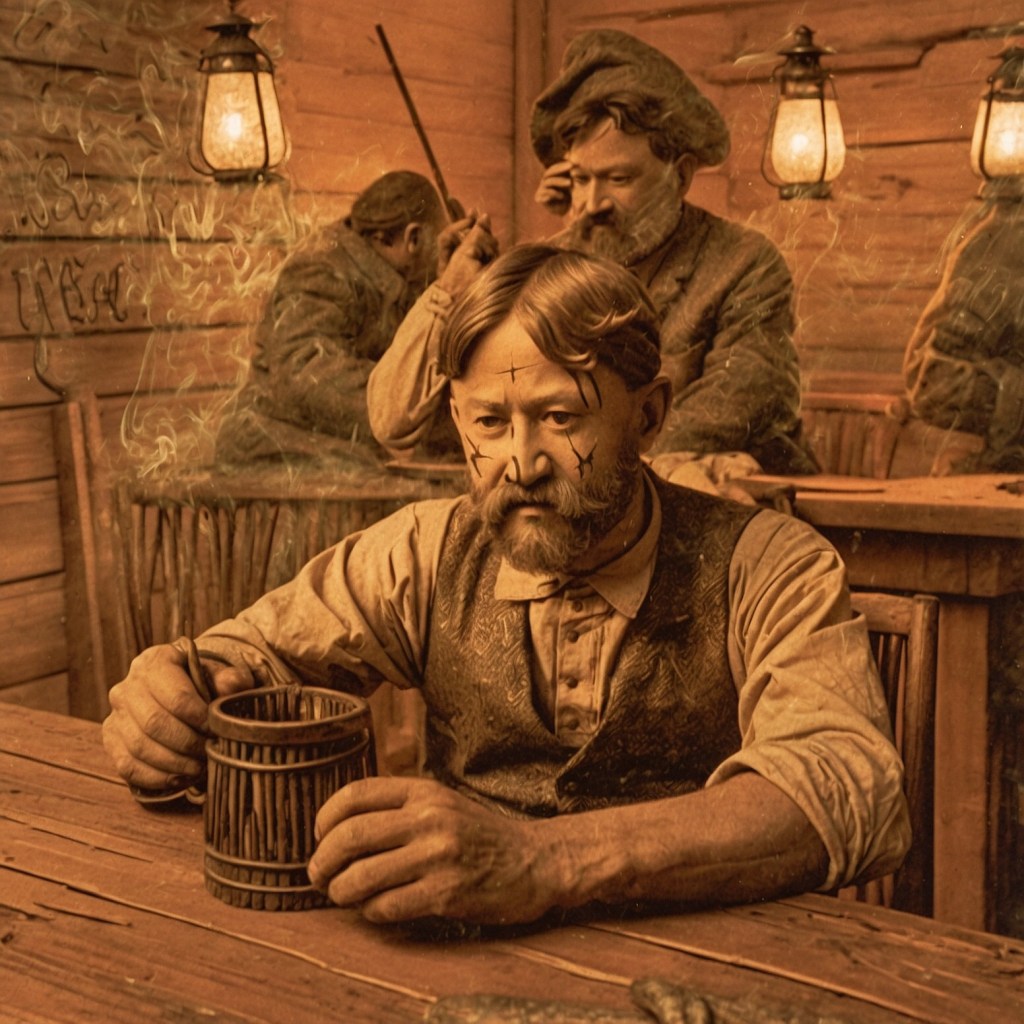
When Ives finally collapsed back into his seat, exhausted but exhilarated, the tavern erupted in cheers and applause. But even as he reveled in the adulation, a part of him knew that something had changed within him. The music of Chateaugay Lake had awakened something deep and primal in his soul, something that would shape his work for years to come.
As Ives left the tavern that night, the cool air of the Adirondack wilderness wrapped around him like a shroud. He knew that the experience would stay with him, influencing his compositions in ways he could not yet fully understand. The sounds of Chateaugay Lake—the music of the pirates, the calls of the wilderness, the strange, otherworldly voices that had spoken through him—would echo in his mind, finding their way into his work, imbuing it with a new, transcendental quality.

And as the steamboats of the Chateaugay Lake Pirate Syndicate continued their strange performances on the water, their influence spread far beyond the lake’s shores, carried on the wings of those who had witnessed their dark magic.
To be continued in next week’s edition of the Steamboat Dispatch…
—
Note from the Editor: The account of young Charles Ives’ visit to Chateaugay Lake has been verified by multiple sources, though certain details may seem exaggerated. We assure our readers that the events described herein, while extraordinary, are rooted in fact.

What mysteries of Chateaugay Lake haunt you?