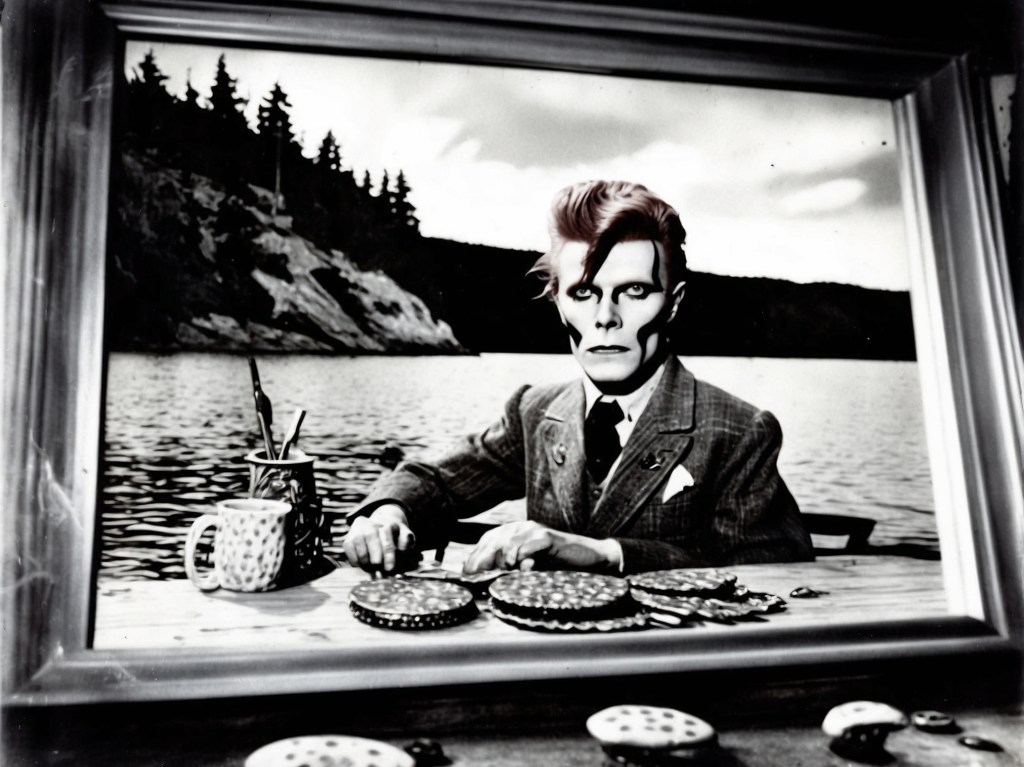
Content Advisory: Five years. A looming catastrophe. Strange creatures stir beneath Chateaugay Lake. Experience the eerie unraveling of reality.
The Final Countdown: A Chronicle from Chateaugay Lake
By Old Veritas

In the waning days of summer, as the golden hues of August reluctantly surrendered to the encroaching chill of September, an air of unease descended upon our once tranquil hamlet of Chateaugay Lake. The trees, weary of holding on to their leaves, let go one by one, a scattered procession of green and gold as the heavens above began to brood in ominous grey. The scent of pine mingled with the distant murmur of water lapping at the shores, as the lake, that once-silent sentinel, seemed to take on an unsettling murmur of its own. The sounds of chirping birds were replaced by an almost eerie silence.
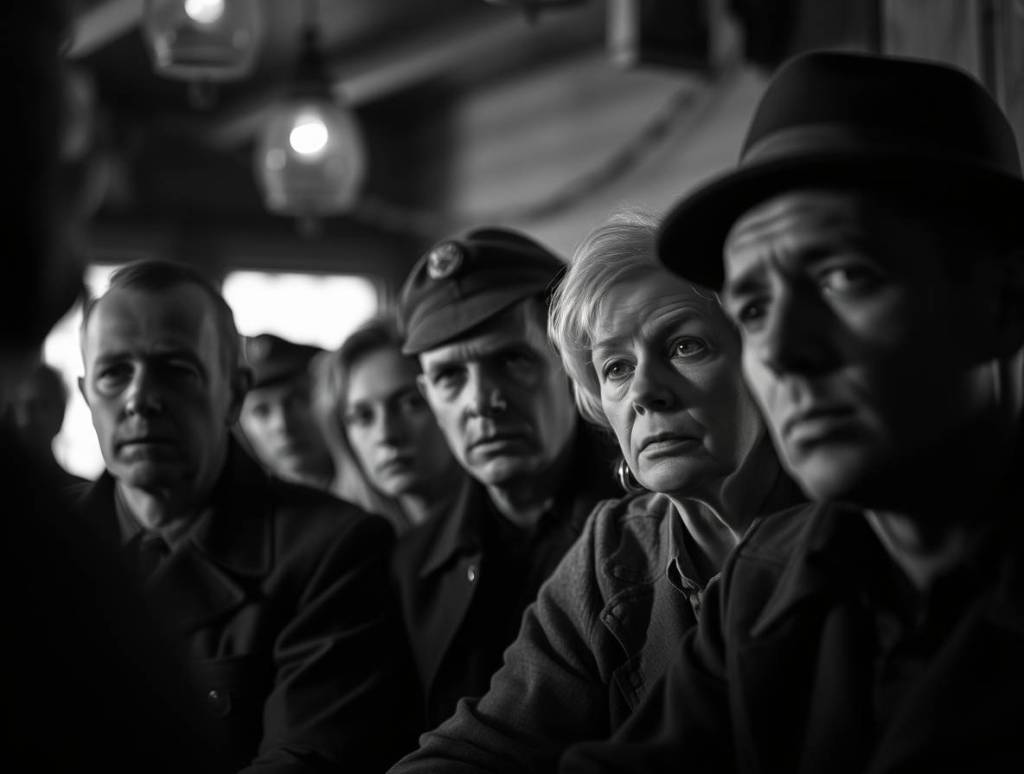
Whispers among the townsfolk spoke of an impending doom—one that had taken root in the collective subconscious like the creeping vines that clung to the walls of abandoned cabins. A prophecy, transmitted by the flickering images on our newfangled television boxes—those infernal contraptions that invaded our homes with their buzzing and flashing—claimed that we had but five years remaining before the Earth’s fate was sealed. It was announced with all the gravity of a death knell, delivered by our esteemed news anchor, who, despite his usual veneer of calm, could not hide the dampness of his brow. His face, streaked with the telltale signs of sleeplessness, made it clear—this report was irrefutable. The final days were upon us.
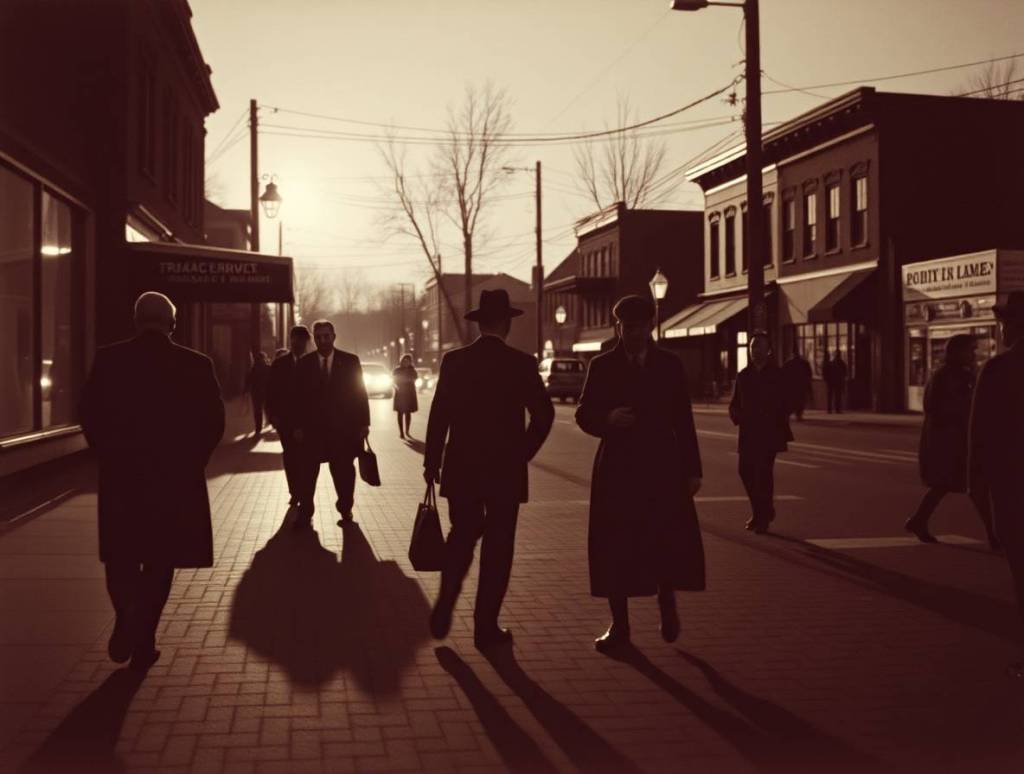
The news, though it was delivered in the same measured tones that heralded weather forecasts and new product launches, carried with it a weight that made the air itself seem denser. You could see it in the eyes of the townsfolk as they wandered to the general store, the post office, the tavern—eyes downcast, shoulders slumped, the weight of impending extinction carried in every hesitant step. In some ways, it was a strange comfort. The world had always been fractured, unpredictable, a hodgepodge of chance and circumstance, but now we knew that it all had an expiration date, a mere five years to make sense of the chaos.
And so, amidst this backdrop of foreboding, peculiar events began to unfurl, like the petals of a strange flower—disconcerting and foreign. A young girl, her mind seemingly unraveling like an old sweater, created chaos in the streets, her actions spiraling toward violent outbursts that caught the eye of more than one passerby. The townsfolk, usually unaccustomed to such fits of madness, recoiled. Her movements, frantic and unpredictable, seemed like the manifestation of the very anxiety that had gripped the town. She shrieked in a voice that did not seem to belong to her, and those who came too close found themselves swept into the storm of her delirium.
It was only through the intervention of a quick-thinking bystander—an unremarkable fellow who had a penchant for fixing clocks—that tragedy was averted. His calmness amidst the panic was uncanny. As he wrestled the girl to the ground, his face as composed as though he were simply adjusting the gears of a grandfather clock, it occurred to me that, perhaps, the world was merely a mechanism—something that ticked along with or without us, and all we could do was wind it up and hope for the best. The girl was led away, her wild eyes still alight with whatever fever had gripped her, and the streets, once more, took on a semblance of normalcy. Yet, I couldn’t shake the feeling that the events that had transpired were but a precursor, a sign that the unraveling of time itself had begun.
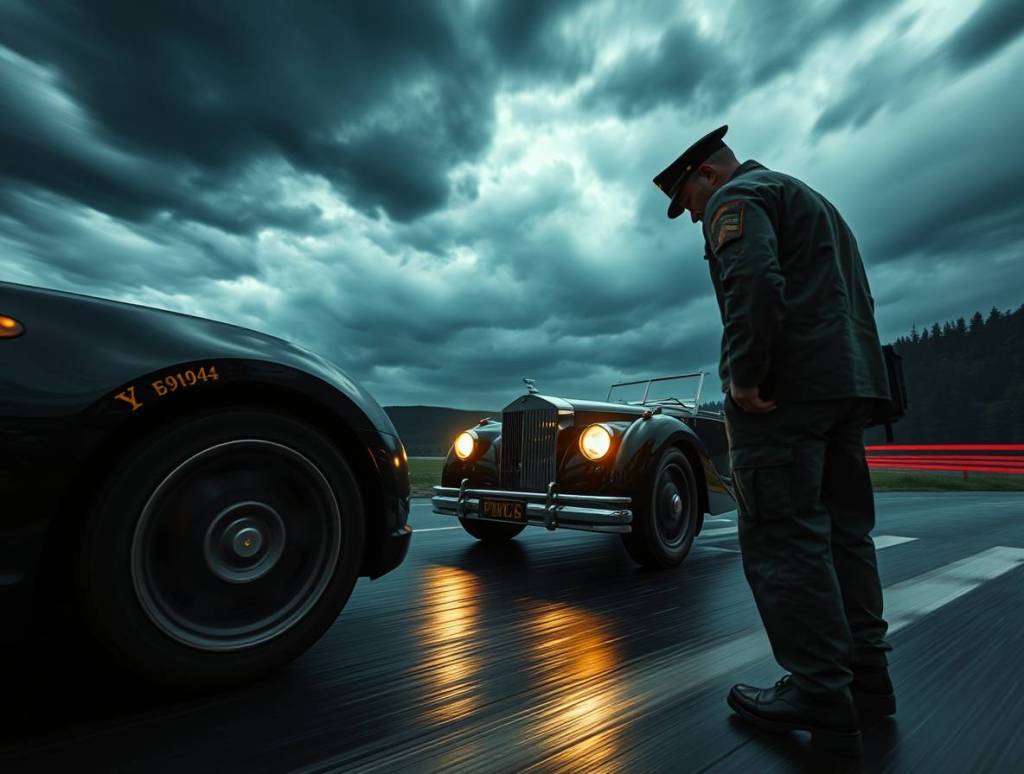
Meanwhile, on the outskirts of town, in the shadows cast by the tall pines, a soldier, weary from battle—though what battle it was, I could not say—focused intently on the wheels of a luxury vehicle parked near the old mill. His eyes tracked each rotation, as if they held some secret knowledge. There was a look of profound concentration on his face, though whether it was out of reverence for the car or an inexplicable, almost mystical connection to it, I cannot say. As he stared at the gleaming chrome, his hands, calloused from years of service, twitched involuntarily. The entire scene, under the oppressive grey skies, seemed to be painted in hues of absurdity.

And then there was the law enforcement officer, who, in a moment of peculiar reverence, bowed before a figure of authority whose identity, like the soldier’s purpose, was unclear. The officer’s posture, stiff and formal, was an absurdity, a gesture that felt out of place in this small town. The figure of authority, whose face was concealed beneath a wide-brimmed hat, merely nodded in acknowledgment, as though the exchange were commonplace. Those gathered watched in silence, some recoiling, others perplexed by the bizarre ritual that had unfolded in our midst. There was no explanation, no context. Just a series of actions, carried out by figures who seemed to have no clear reason for what they did. And yet, as strange as it was, there was something unsettlingly profound in the entire exchange. A reminder, perhaps, of how little we truly understand the world around us.

It was on a day not unlike any other that I found myself, by some strange twist of fate, drawn to Ralph’s Soda Fountain. There, amidst the clink of glasses and the hum of conversation, I saw Eugene Miller—Old Veritas—sitting alone in the corner, as he often did, sipping a cup of tea in the dim light that poured in through the windows. His eyes were distant, unfocused, as if he had just returned from some faraway place. There, in that moment, I felt an undeniable connection—an understanding, perhaps, that we were both actors in the same play, performing our roles unwittingly, our fates intertwined.
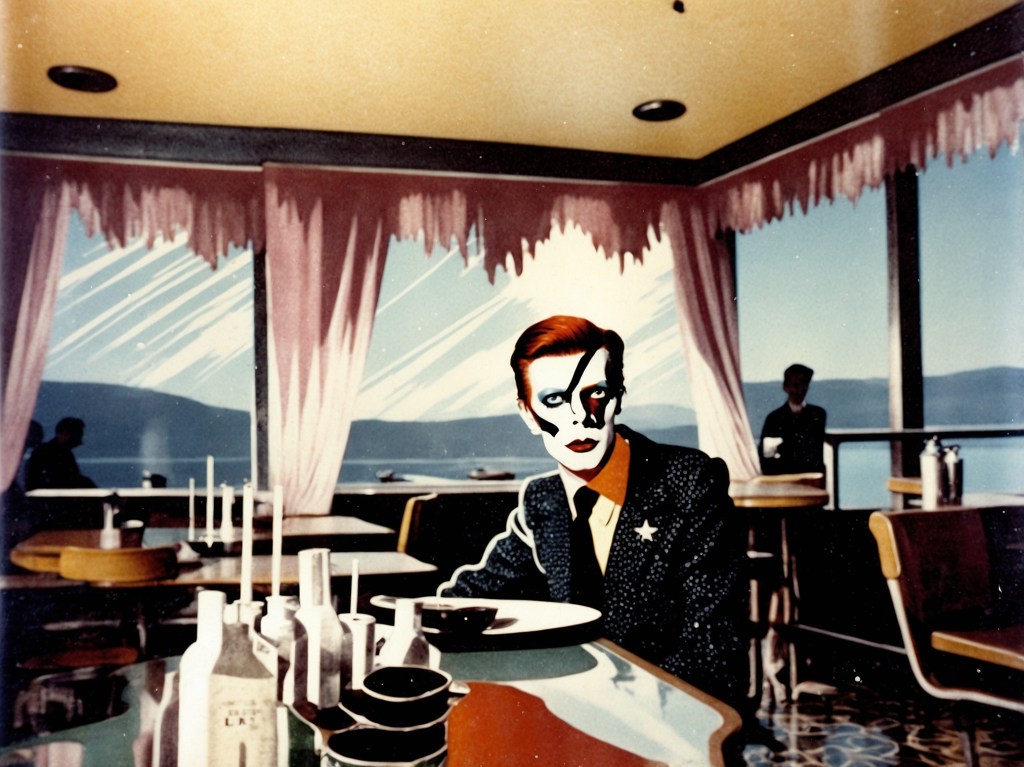
I joined him at his table, and as I sat down, I noticed the peculiar expression on his face. It was a mixture of melancholy and resignation, as though he had seen something in the shifting clouds outside that the rest of us had missed. His gaze, fixed on some invisible point, seemed to stretch beyond the confines of the room, beyond the borders of our town, to some other place, some other time. It was as if he had already seen the end, and was simply waiting for the inevitable to catch up.
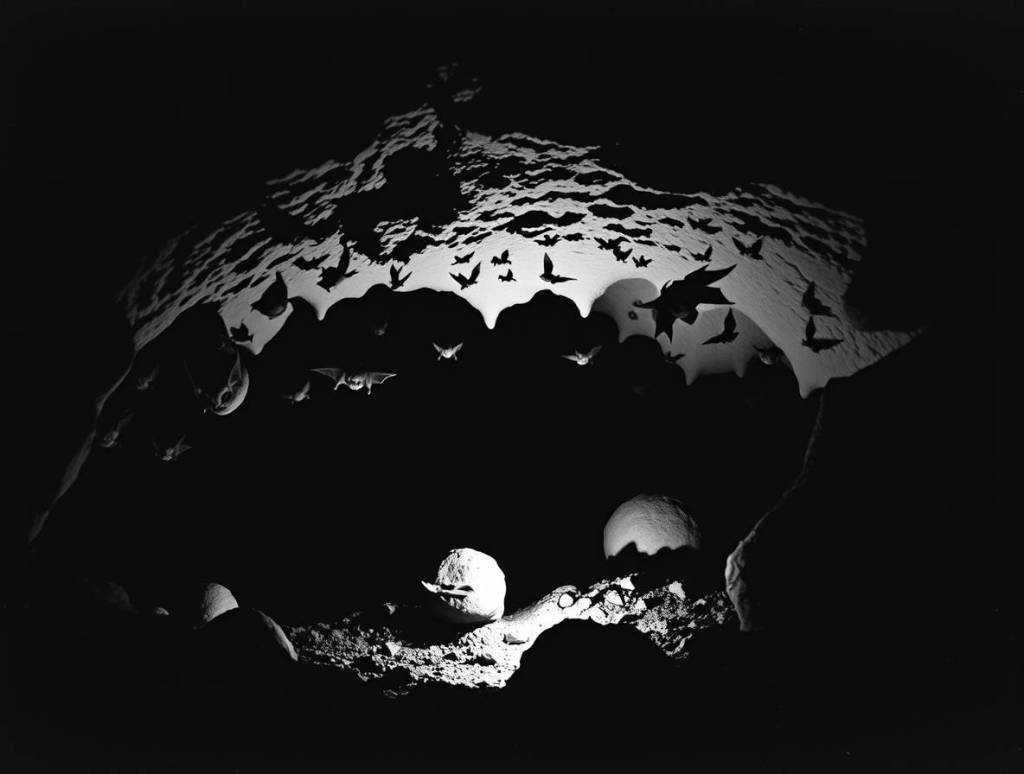
We exchanged pleasantries, though our words felt like dust scattered on the wind. Old Veritas spoke of caves, of subterranean rivers, of secret passages that connected our lakes in ways that defied the laws of nature. He told tales of early explorers who had ventured into the hills surrounding the Upper Lake, only to vanish without a trace. He spoke of an ancient, undisturbed network of tunnels beneath our feet, a labyrinth so vast and intricate that even the most seasoned guide would lose their way within it. “This, my friend,” he said, “is the true heart of Chateaugay Lake—hidden in plain sight, just beneath our feet.”
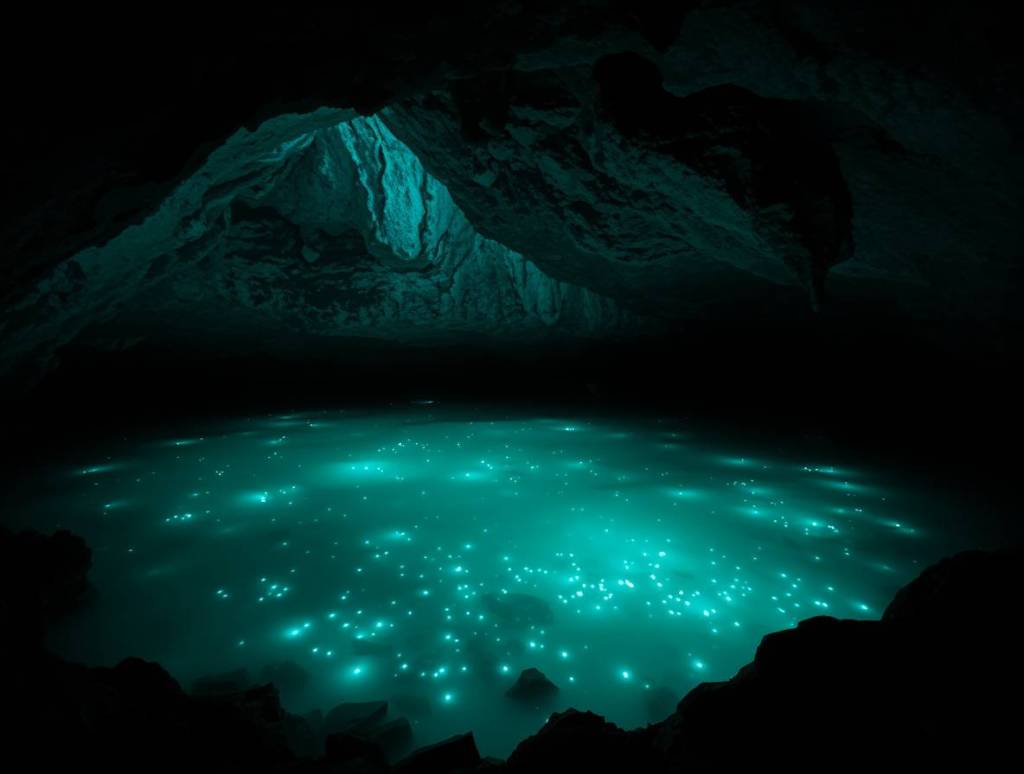
As he spoke, his voice took on a tone of gravitas, as though he were imparting a truth too vast for the common mind to comprehend. He claimed that the sea serpent sightings—the rumors that had circulated for years—were not mere fantasy, but rather a sign of the Earth’s shifting energies, a manifestation of the forces that lay dormant beneath the surface of the lake. “The serpent is a harbinger,” he murmured, his eyes dark with some knowledge I could not fathom. “It is not of this world. Not of this time.”

The rain began to fall, cold and relentless, tapping against the windows as if the heavens themselves sought to drown out the words between us. But in that moment, I felt strangely calm—as though the storm outside was simply an echo of the storm within. The town seemed quieter somehow, as if the very air had thickened with anticipation. I looked out the window and saw the figures of the townsfolk, moving about their business, unaware of the strange weight that hung in the atmosphere. Yet, beneath the surface of their mundane routines, there was a palpable sense of tension, as though they too could sense the closing of the curtain, the winding down of the clock.

And so, as the days dwindled, and the prophecy loomed ever closer, the townsfolk gathered to discuss their plans. Some spoke of building arks, others of seeking higher ground, but all were united in their shared fate. The final countdown had begun, and we, the inhabitants of Chateaugay Lake, could only watch as the sands slipped through the hourglass, our destinies intertwined with the mysteries of the deep and the ticking of an unforgiving clock. Five years—five years to make sense of it all, five years to unravel the truth of the serpent, the caves, and the impending doom that loomed over us all. The end, it seemed, was not just a promise—it was a countdown, and the clock was ticking.


What mysteries of Chateaugay Lake haunt you?