
Immerse yourself in a macabre tapestry of 19th-century dread and modern hardboiled cynicism, where every shadow conceals a sinister secret and every note of the Silent Songbird foretells a curse upon the unwary. Reader advisory for unsettlin’ stuff.
THE SILENT SONGBIRD—A REPORT OF PERIL AND UNNATURAL ORNITHOLOGY
As Recorded by an Itinerant Chronicler at Abner Percy’s Store

Chateaugay Lake, that brooding backwater of loggers, schoolmarms, and opportunists, has known its share of misery. The land itself breathes hardship—stone-laced soil grudging every sprout, the lake mist crawling in like a grave-wrapped hand. But of all its trials, none have set the tongues wagging like the damnable thing they call The Silent Songbird.
A lie of a name, that.
No silence to it—only a sound that should not be. A warble without throat, a tune without a singer. A song that shivers in the marrow like a fever dream and drifts through town at odd hours, curling into men’s ears and pulling long shadows from their souls.

It was Olive Susan Miles who refused to shudder, refused to bow her head and murmur superstitions like the other well-fed hypocrites of Abner Percy’s store. She was of a hard breed—daughter of the stalwart Old Squire, whose grim stern look alone could turn cider to vinegar. She had no patience for ghosts, nor for cowards who hid behind tall tales.
She had a mind to see this thing with her own eyes.
THE TRAIL OF THE DAMNED BIRD
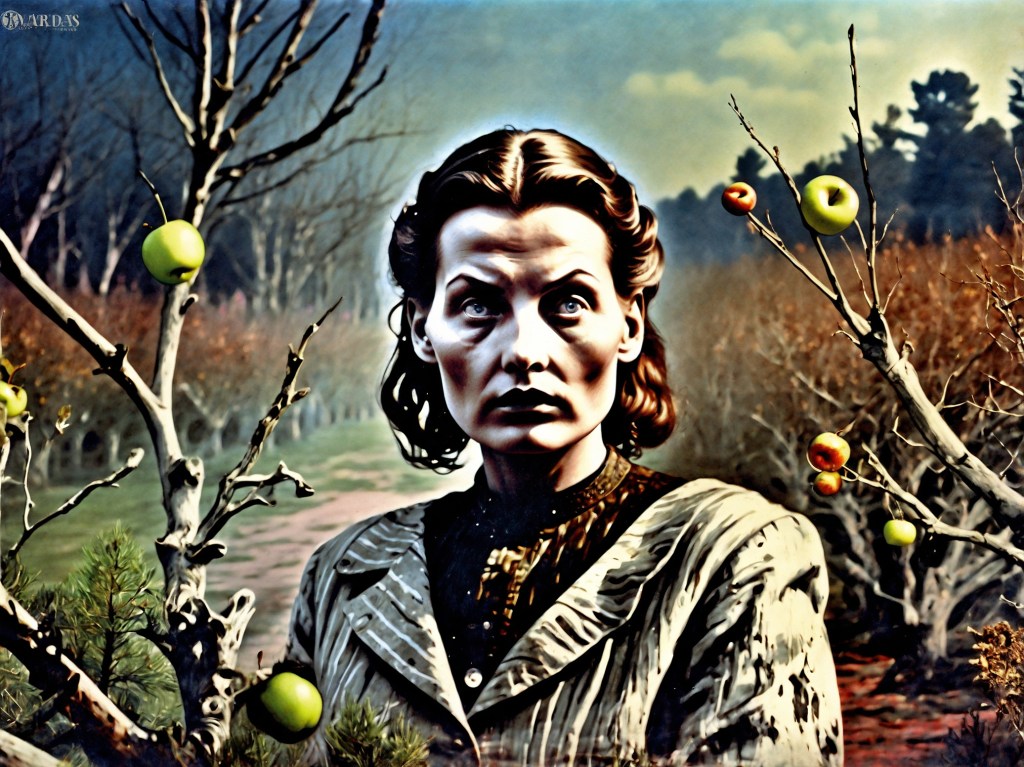
The girl struck out alone—none of the feckless loggers nor craven shopkeeps dared join. They made excuses, thick as molasses: “Ain’t got the time, Olive,” “That’s no business for a lady,” “Best not go rattlin’ the cage of things what don’t take kindly to daylight.”

She left them behind like yesterday’s butcher scraps and followed the tune up through the old apple orchards, where the deer had eaten low, leaving the trees gnarled like crippled old men. Then through the whispering pines beyond Larabee Mountain, up where the cold bit sharper and the wind spoke secrets in dead tongues.
And then, as the last light of the day guttered like a spent candle, the sound led her up further—right into the stinkin’ black-oozing disgustin’ maw of the Soulia Swamp.

If the woods were treacherous, the swamp was godless.
The muck sucked at her boots like a starving drunk. The trees were wrong—leaning when they shouldn’t, twisting as though they had once been something else and were trying to be so again. And there, at the heart of that wretched mire, she found the nest.
Not of sticks and down, no. Of bones.
Tiny ones, laid in a perfect spiral. Ribcages of birds, fox kits, and—hell take us all—something that had once worn a wedding ring.
And at the center of it, perched on a root slick with age and malice, was the thing itself.
A bird, if one could call it that.

Its body was smoke, its wings a suggestion. And yet it was there, its form just substantial enough to cast a shadow in the rising moonlight. It did not sing, not now. But it watched.
And Olive Susan Miles, may whatever god has patience for the reckless take mercy on her soul, watched back.
A BARGAIN OLDER THAN SIN
At Abner Percy’s store, the old timers murmur—when the whisky is thick and the hour late—that our town stands not by the grace of honest work nor even divine providence. No, they say it is the Songbird that holds the land in its bony grasp, and that every so often, it must be fed.

A life for the soil. A soul for the lake.
The last deal had been made long before Olive Susan’s time, but the debt does not vanish. And now, standing before that specter, she understood: the time had come again.
A choice had to be made.
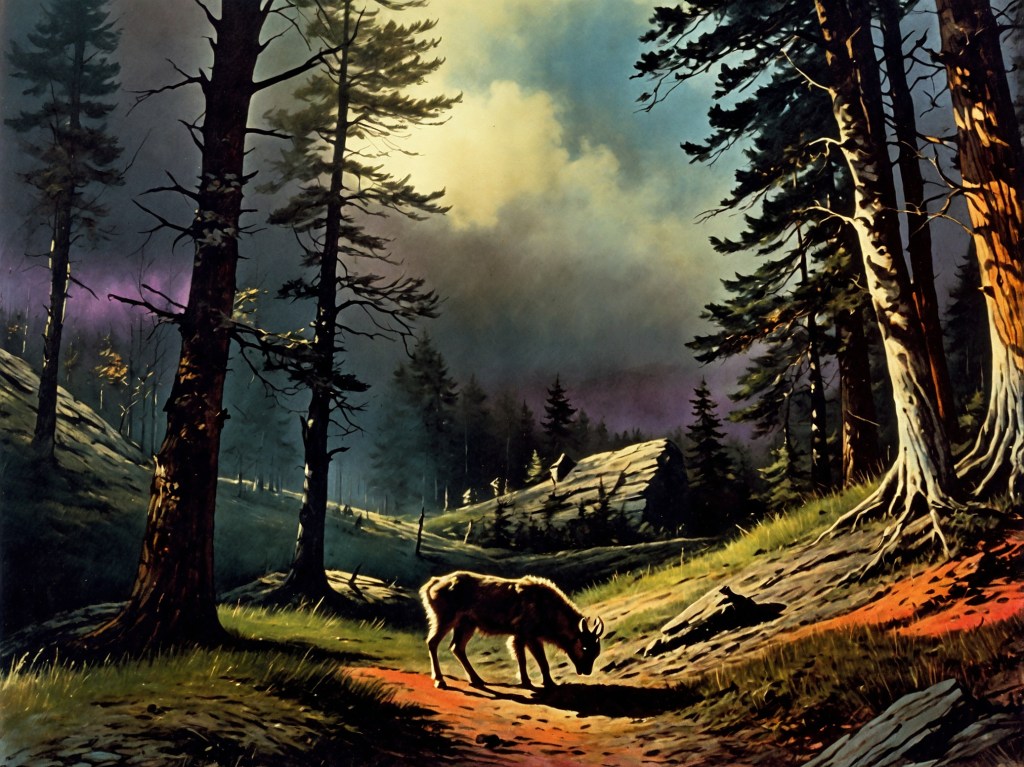
Would she name a sacrifice? Or would she defy the pact, risk the earth drying to dust, the fish floating belly-up, the trees withering to kindling?
She clenched her fists. The girl had been raised on hardship, fed on the marrow of stubbornness itself. She spat into the mire, wiped her mouth on her sleeve, and turned on her heel.
Let the wretched thing take its due from someone else.
She would not be its butcher.
EPILOGUE: THE PRICE OF DEFIANCE
By dawn, she returned to town, her boots caked in filth and her gaze sharper than ever. She said nothing of the swamp, nor of the shadowy bird. She did not need to.
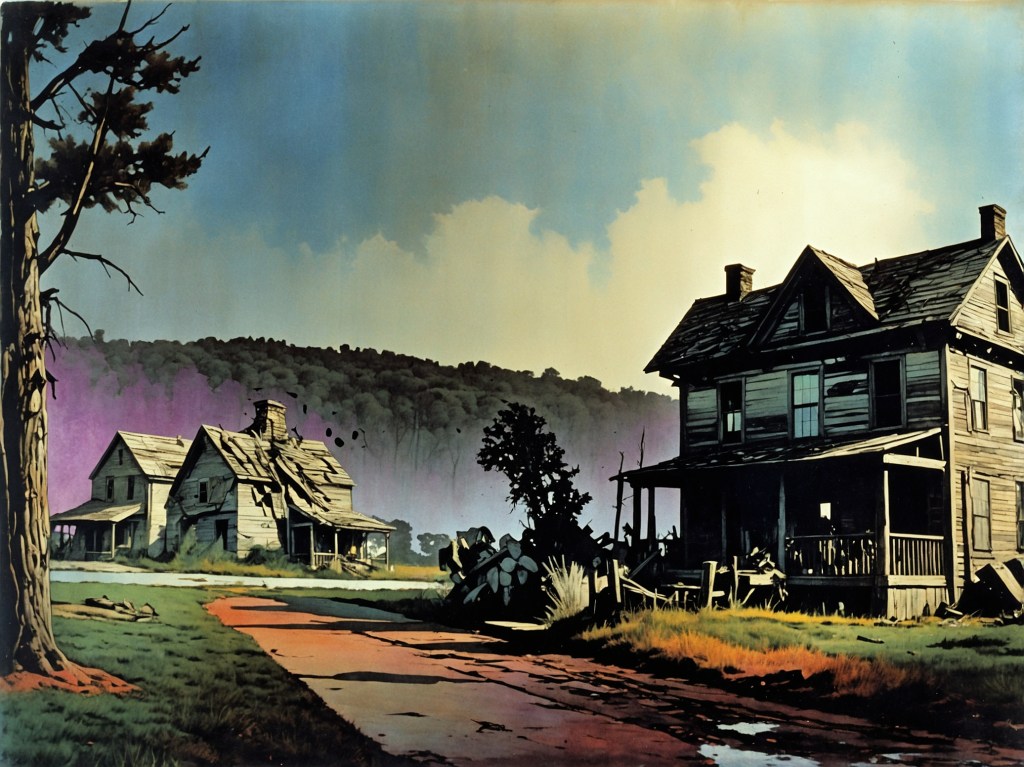
The crops failed that year. The fish grew thin. The lake smelled of rot.
The townsfolk muttered. They glanced at Olive Susan with wary eyes, avoided her in the streets, whispered behind her back. But she was her father’s daughter, and no man or woman dared say outright what was in their hearts:
That they knew. That she had seen. That she had denied the price.
And that, soon enough, the debt would come due again.
Perhaps in a season. Perhaps in a year.
Perhaps—God save us all—tonight.
NEXT WEEK: Who among us will be the next to vanish into the depths of Soulia Swamp? The Steamboat Dispatch assumes no liability for those who pry too deeply into the unnatural debts of Chateaugay Lake.
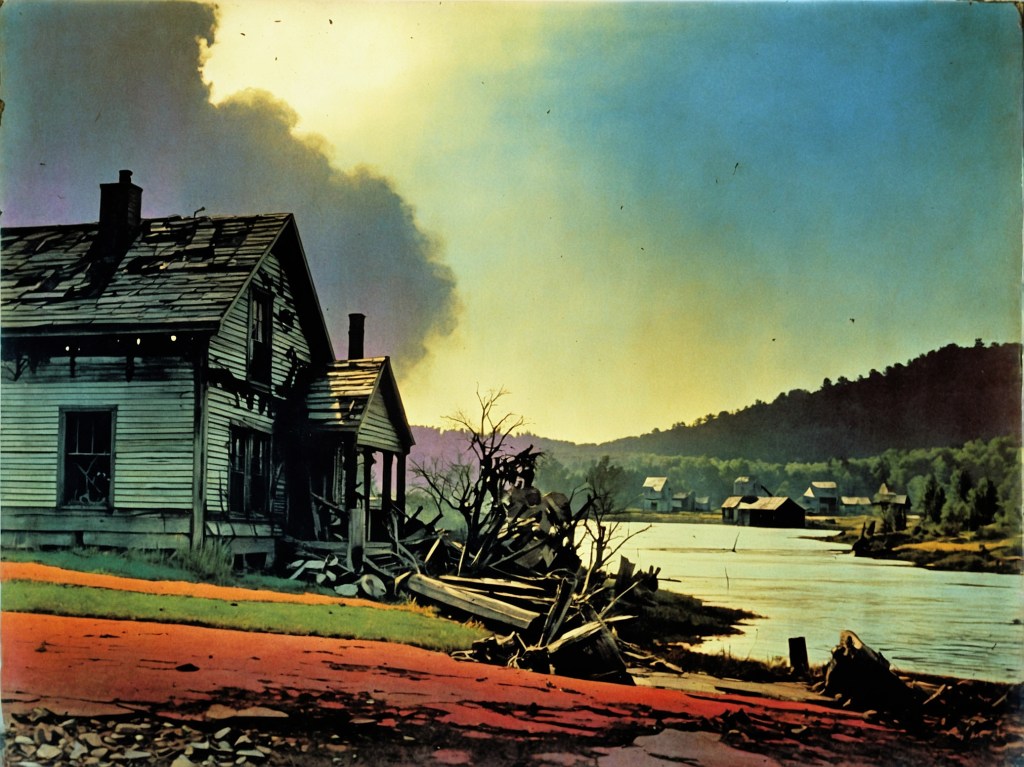

What mysteries of Chateaugay Lake haunt you?