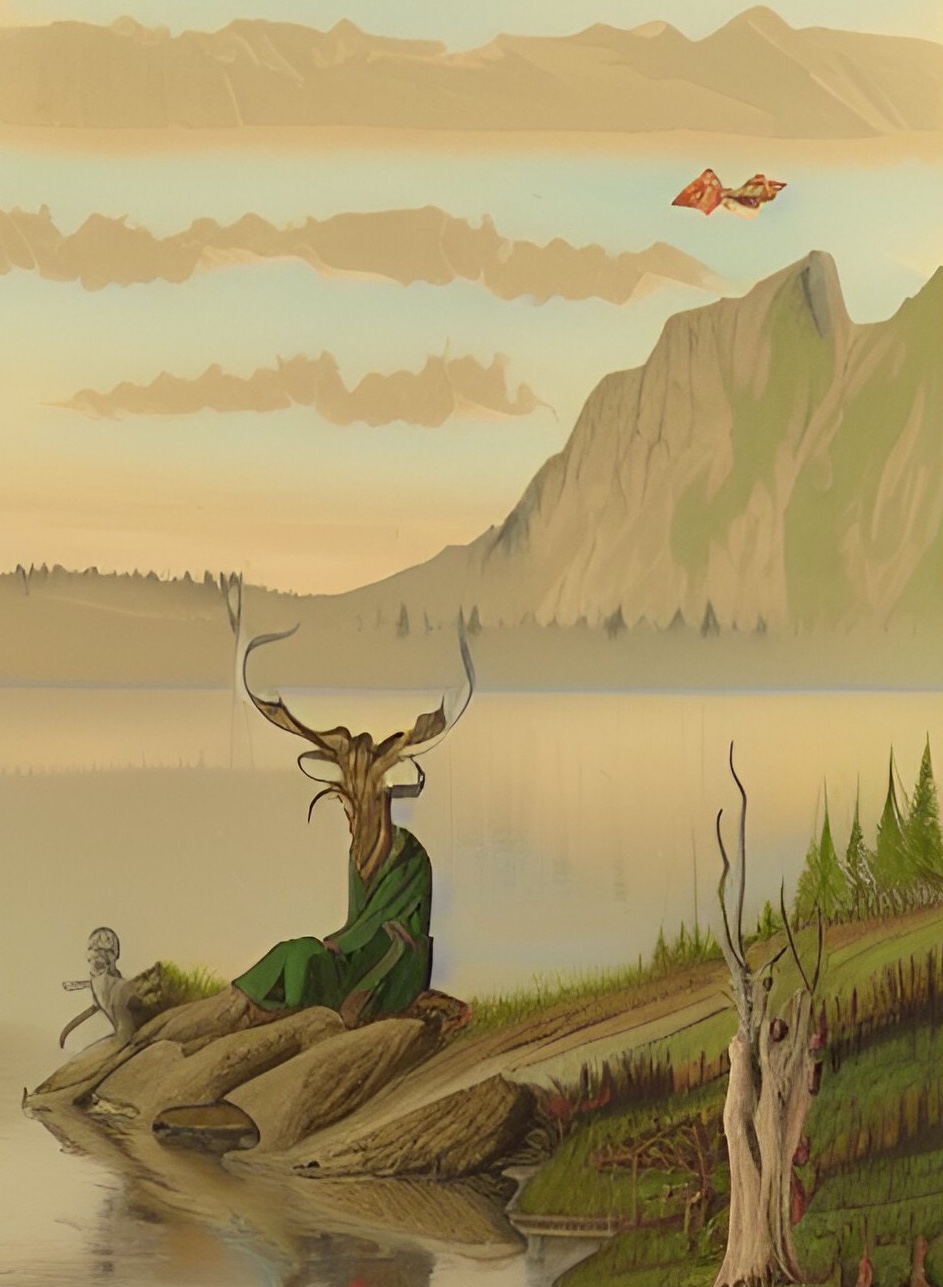
On September 11th, at around 2 pm, Mr. and Mrs. McAdams heard a child’s cry from the forest, they were so startled by the sound that they felt an overwhelming urge to run to the spot where the sound was coming from. They ran through the forest and they saw a man and woman, about 20 meters away from them, sitting under a tree. The woman was feeding off of the blood of a man, lying next to her. We managed to see through a nearby tree branches a pile of human bones, that had clearly been torn apart and left on the ground. The tree under which the Wendigo were eating and the nearby piles of bones indicate that it was a Wendigo who bit the man to death, ripping off the man’s flesh from head to toe and then using his own two hands to put pieces of the man in his mouth, tearing off his skin.

For the past few months, we have been witnessing several sightings of Wendigo in the area and they’ve always been around the Horn of the Beast. Just last week, we saw two Wendigo on the Horn, one of them even managed to break through. We were able to track their movements by using the GPS in our phone and now we have photographic evidence that proves that they were not just feeding off of the leaves that were on the ground or some other food source and that they were actually eating human flesh.

The Shatagee-Horn of the Beast is not just made of horn, it’s also made of blood. Now, for that blood to rise, the Wendigo must be fed.

The photographic evidence that we got from our witness, clearly show that, this Wendigo is a cannibalistic man-eater that killed, raped and ate human flesh. The Wendigo we saw was a short man, only about 5’3”, we managed to take some photos of him after he ran off and we tried to get a photo of the woman but we weren’t able to because she was running so fast.
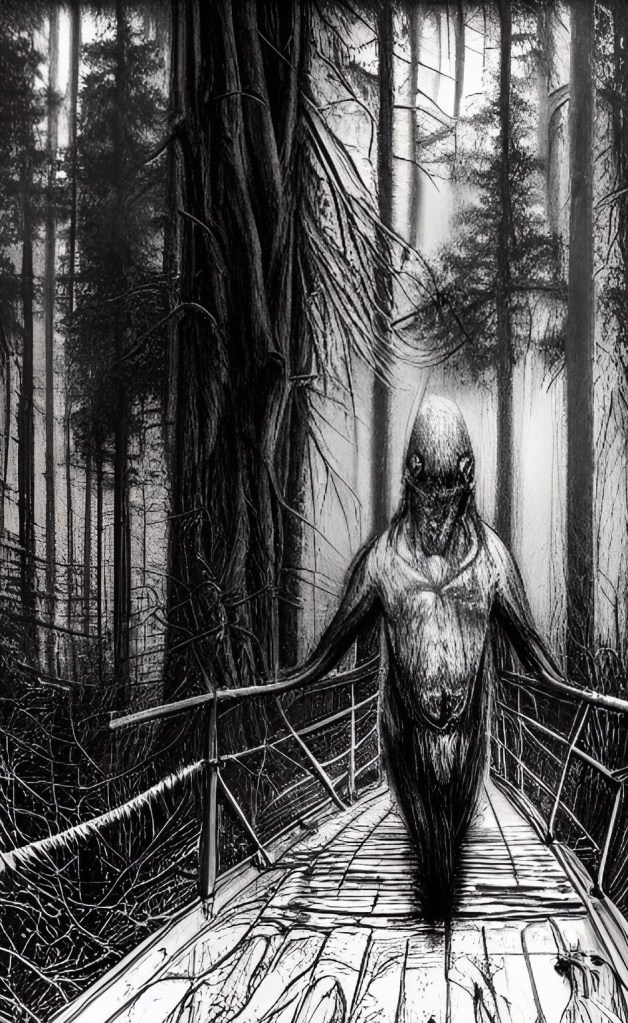
The man we saw had long red hair, almost to his waist, and he was wearing the skin of another man, just like the woman did. This means that these cannibalistic man-eaters don’t just feed off of human flesh; they also take their skins and wear it as armor.
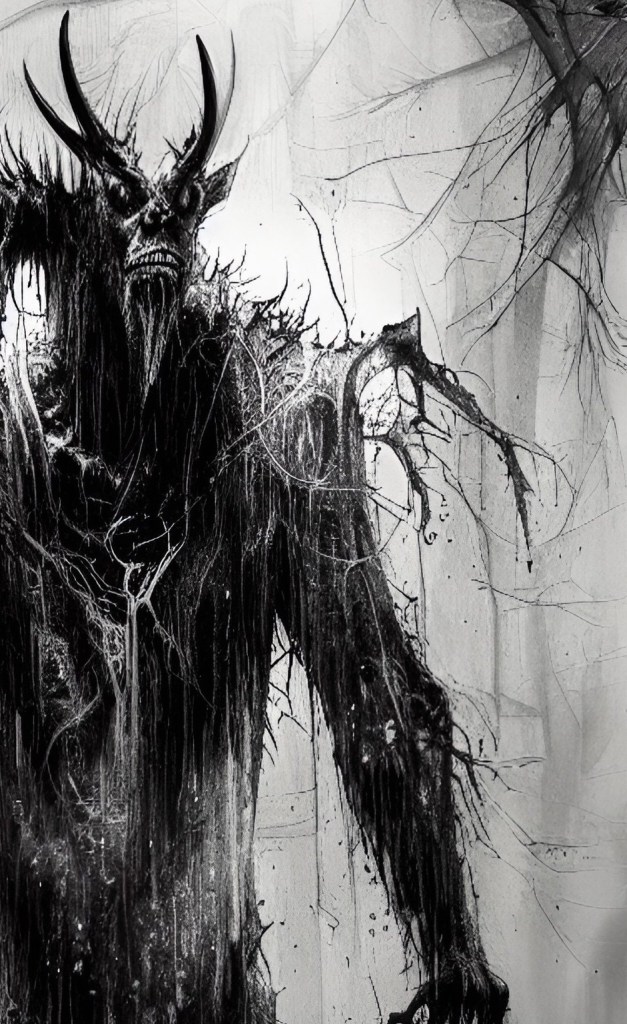
After looking through the photos that we took, we saw the remains of the woman’s necklace, made of human teeth.

After we managed to capture the pictures of the Wendigo, we followed the woman and she hid under the trees. We saw her go into an old abandoned farmhouse that the Wendigo used as a hideout for their crimes.
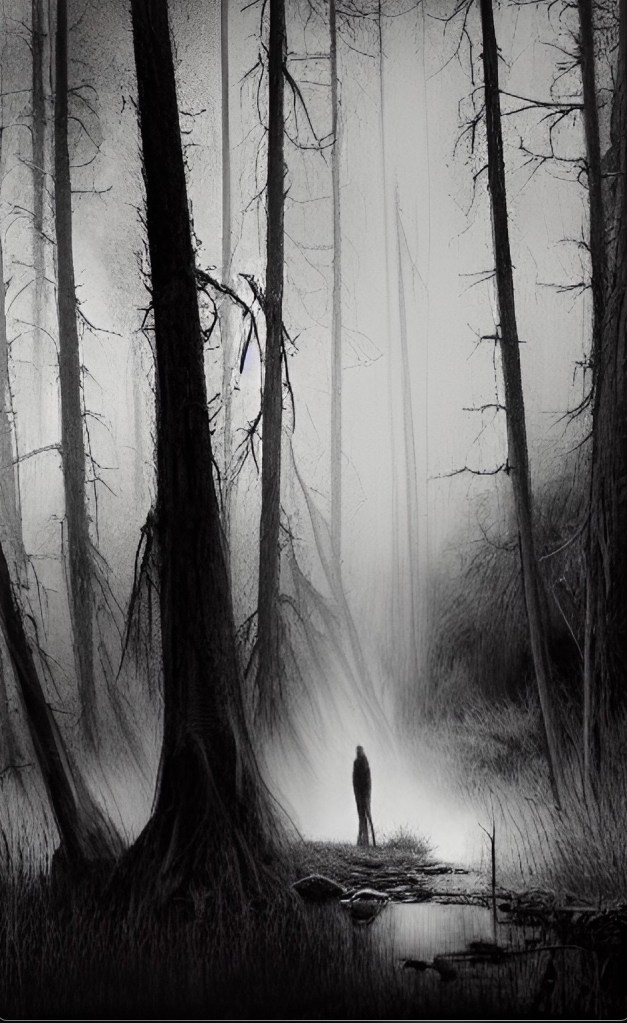
The next day, we went into the Horn of the Beast, and we filmed the Horn, using the video that we captured the night before. We didn’t want to go inside the Horn because the Wendigo could be inside, but they are still there, so we wanted to check. We went back to the Horn and we found a large number of small piles of human remains, with Wendigo excrements nearby. Some of the excrements were shaped like bones and there were even some in the form of a skull and bones with horns. We found more human bones, lying next to a pile of human flesh. They are all fresh and it looks as if they were placed there after the Wendigo had been eating them.
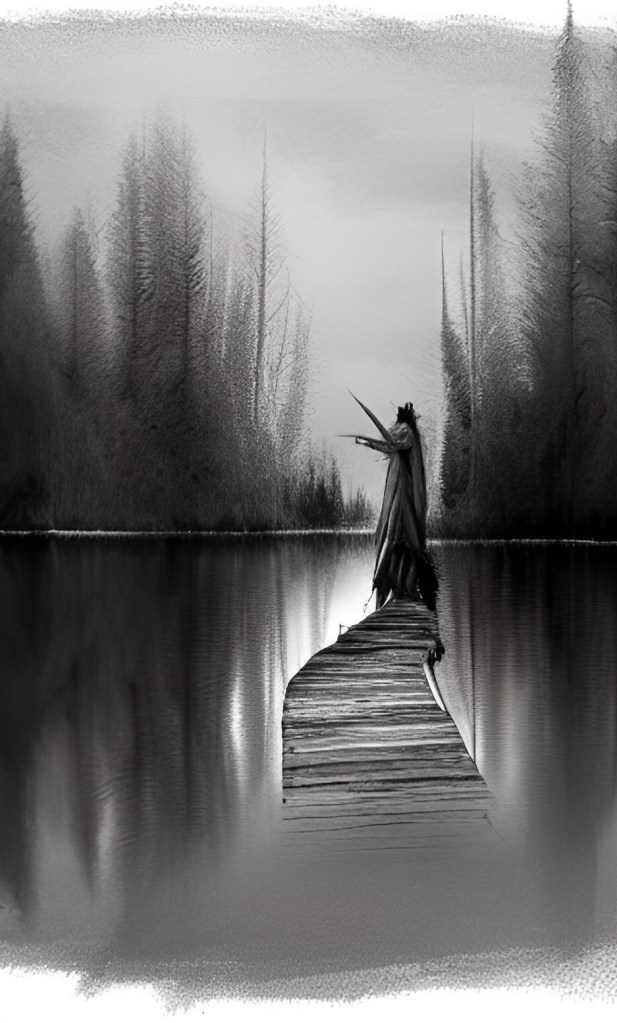
We managed to take photos of the human bones on the ground. In our opinion, it seems like the Wendigo were digging for bones, as well as eating the human flesh, as they were digging. If we were to guess, we would say that these human bones were eaten by the Wendigo, either for their flesh or for their health. We don’t think they would have eaten human flesh unless it was already dead.
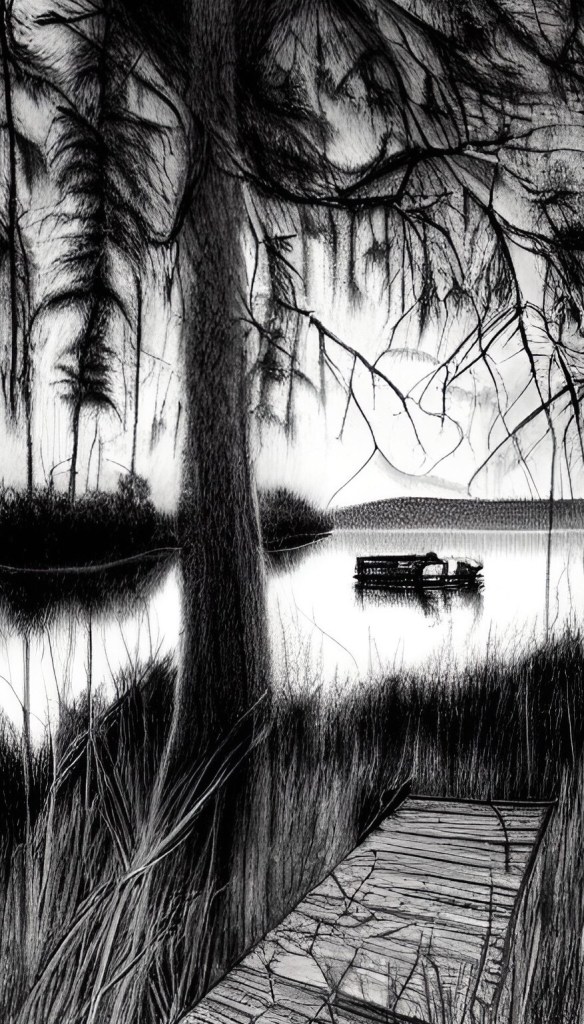
We continued to take photos until we found a Wendigo mask, made of human skin. It was the exact same kind of mask that we saw on the Wendigo in the woods, next to the horn of the Beast. These photographs also prove that the Wendigo have been living in this area for a very long time. They have been living with us and we’ve only just now noticed it. It’s obvious that they have been living here for quite some time, perhaps a thousand years. This is why they are so familiar with us, as if they are used to being near us, but only as prey.


Leave a reply to jomjael Cancel reply