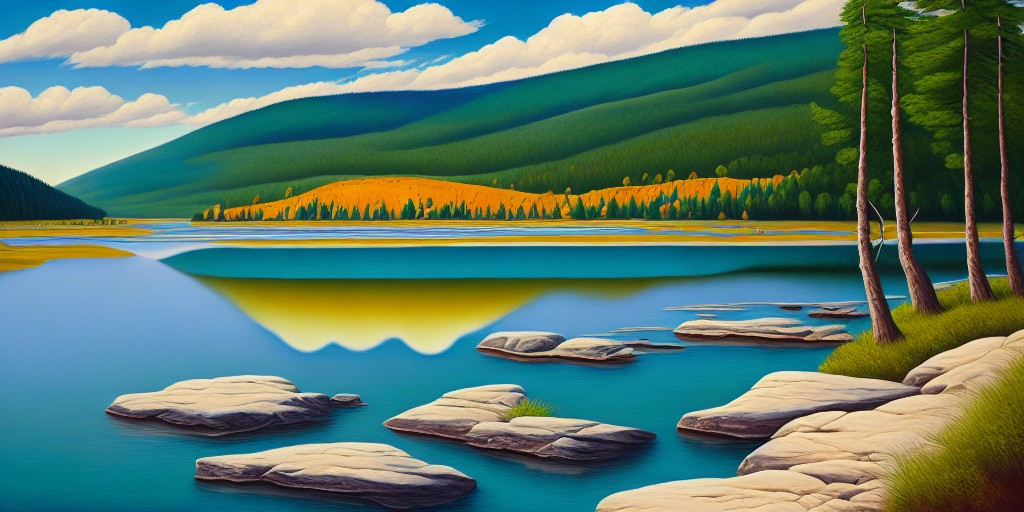
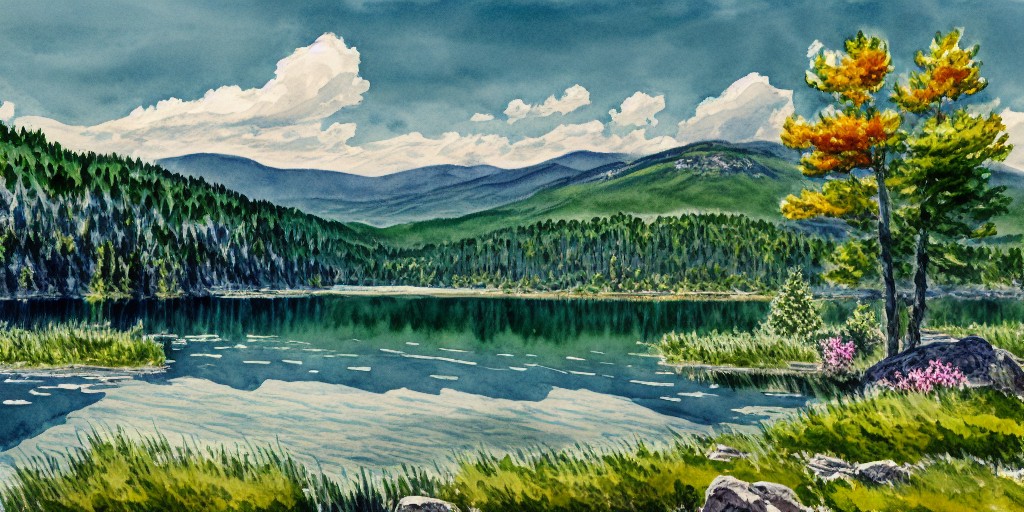
A scenic wonder is Chateaugay Lake, which is forty miles distant. The train ride itself is an experience as you ascend the mountain, cross through a pass, and emerge on the other side. At a location known as “The Gap,” a path that is nearly a mile long and rises sixty feet above the lake’s surface, begins.
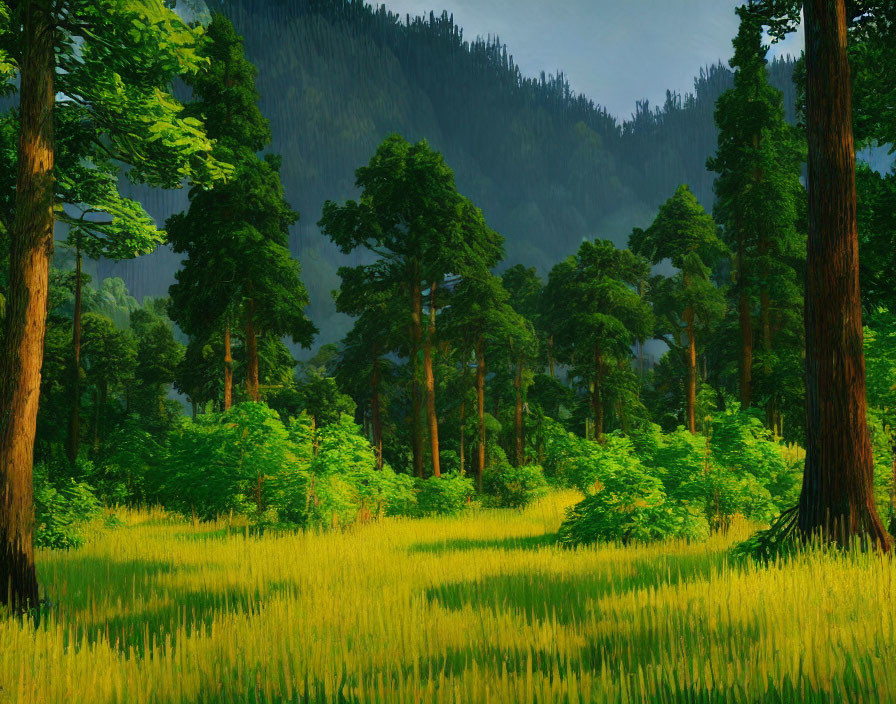
My friends and I traveled to “The Gap” in two hours one early morning in late August. The air was thick with smoke, and the lake’s surface was obscured by a silvery cloud. The conductor graciously allowed us to exit the train and showed us the path. The route down was occasionally across a small lap of open pasture or bushes on the hillside and again beneath an arch of forest trees as we soon entered green woodlands.
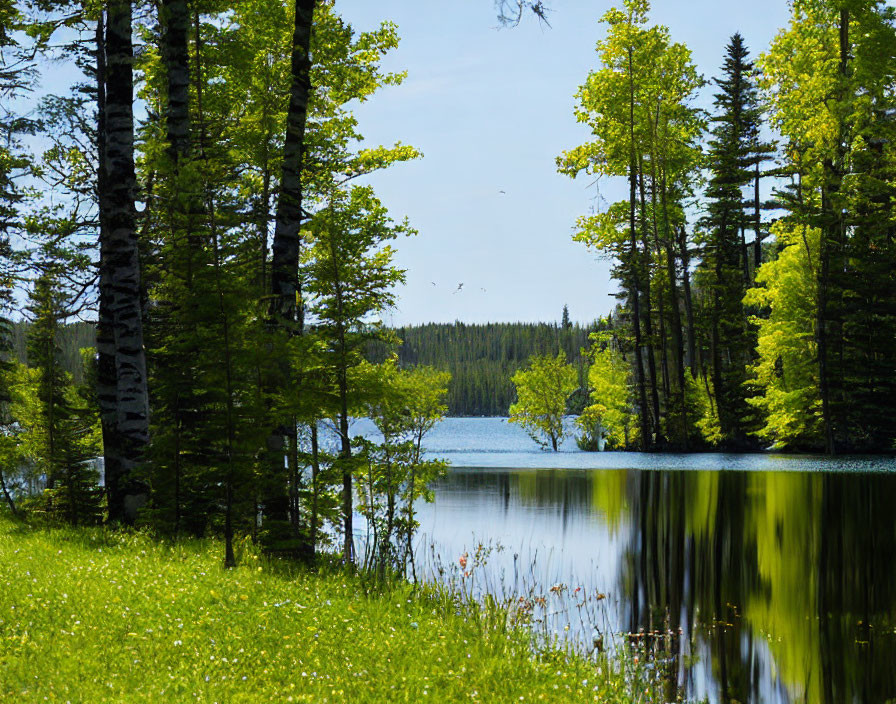
The spring and summer growths remained, bound to hold out until the autumn frosts should paint them and cast them off. The foliage of the tail birches and maples was exuberant, and nearer the ground was there a lavishness of plant life. We saw the green of the bunchberry dotted red and white with its own fruit and flowers. Fresh raspberries hung on bushes grown this year, and the brown eyes of the life-everlasting looked out from the velvet smoothness of the “everlasting’s” own whitish-green leaves and stalks. Ground pine crept over mossy banks, and occasionally a violet showed its face.
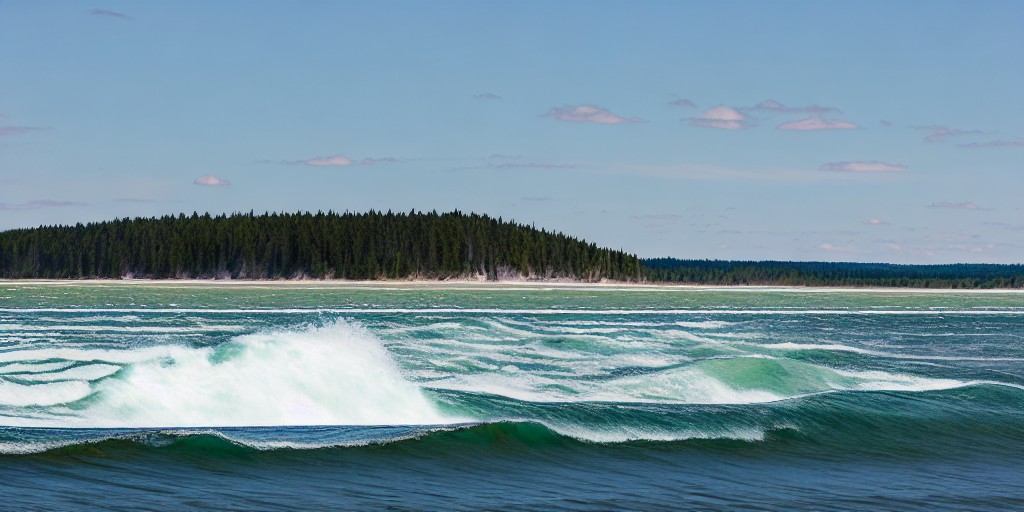
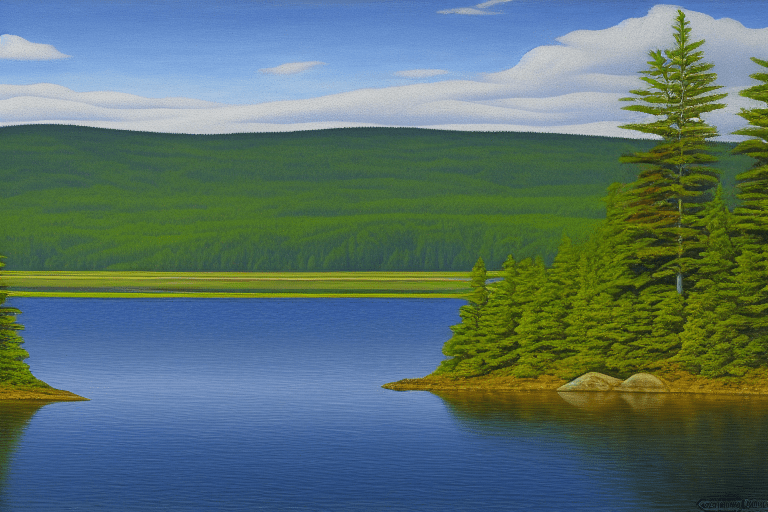
We eventually arrived at the beach close to a deserted summer cottage. The water became choppy in some areas due to the wind blowing from the opposite side, although it wasn’t particularly violent. A wave may occasionally break off in a calm, white peak. We discovered that the “men folks” were not present when we traveled along the shore to some log homes. But for fifty cents, a muscular, bareheaded, copper-colored woman consented to row us across. Although she didn’t like to leave her bread baking for a cottager, a neighbor agreed to watch over it, and soon her small boat was making excellent progress against the wind and waves. She clarified that she didn’t bother us for the money but rather as a courtesy.
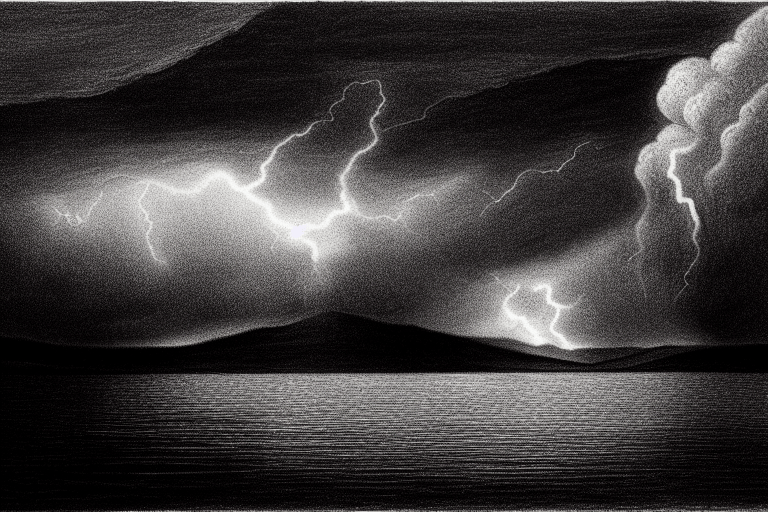
The owner of Indian Point, Eb McPherson, took his own boat across and rowed three miles to our objective, which was the location of an old Indian village. Stormy weather threatened during this portion of the trip. As loudly as Hendrik Hudson’s Catskills company’s ninepins, the thunder rolled and reverberated through the mountains. Through the haze, a deeper blackness descended. The middle of the lake had a sizable, attractive island nearby that appeared higher, more attractive, and further away. The stilled waves turned black and started to swell once more.
A few raindrops dropped before the storm dissipated, sending back rumblings and reverberations as if to mock its own schemes. This lake was elevated a few years ago by a dam at the outlet, but due to the dry weather at the time, its surface was lower than it had been for seven years. However, the artifacts were still submerged. So, after putting the boat down, we took off our boots and stockings and started a wading hunt.
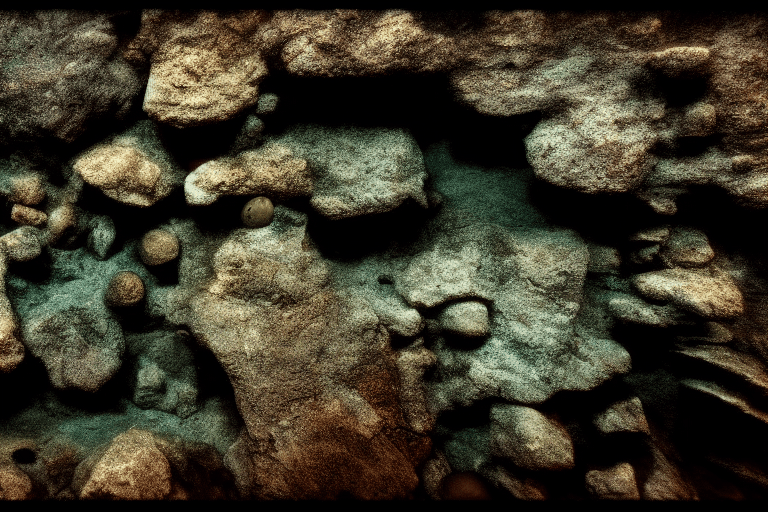
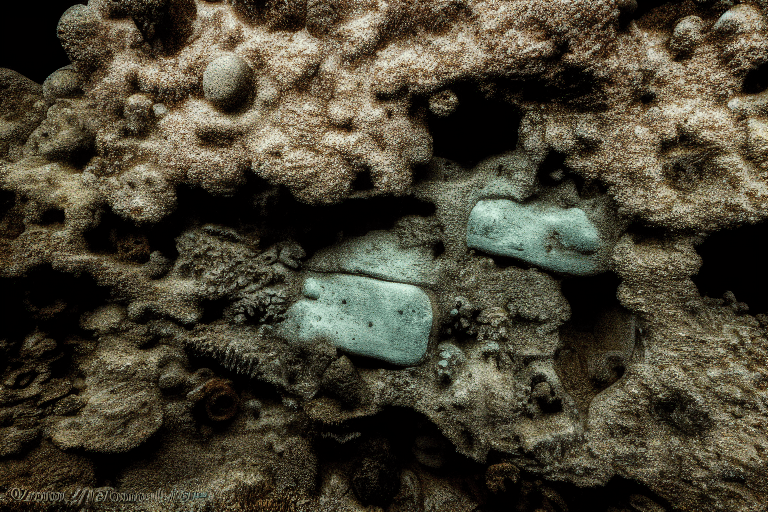
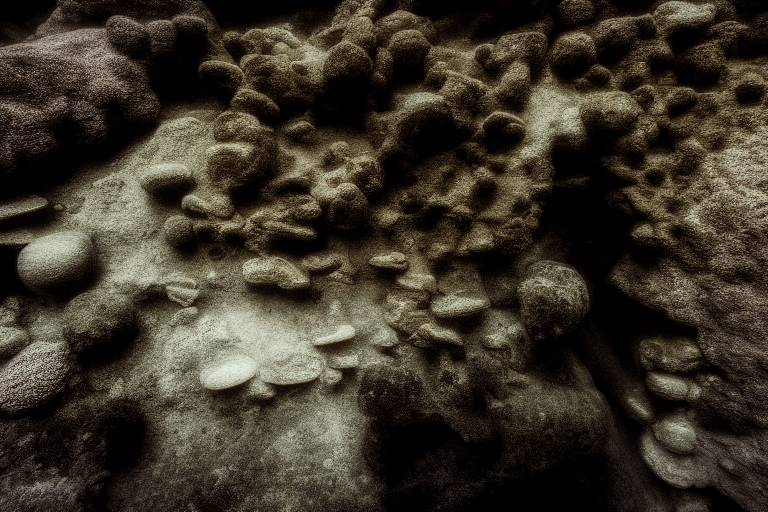
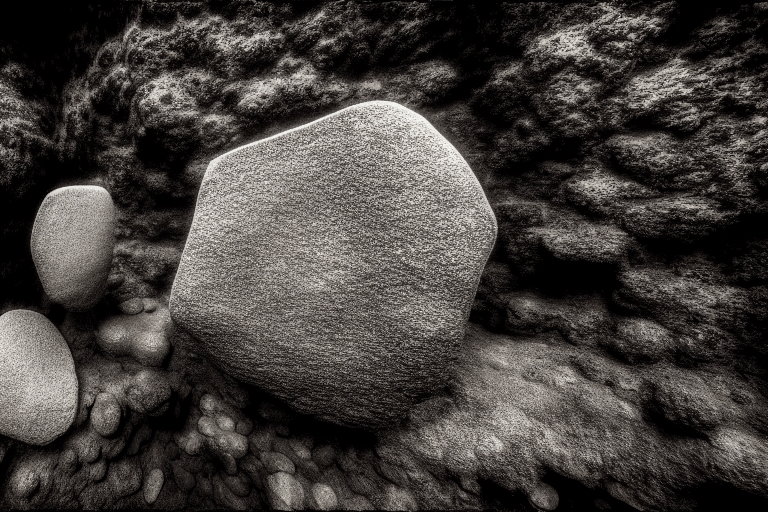
Our quest was largely fruitful. We discovered flakes, firestones, drill bits, blades, arrowheads, spear points, and five stone axes, one of which was enormous and made of granite.
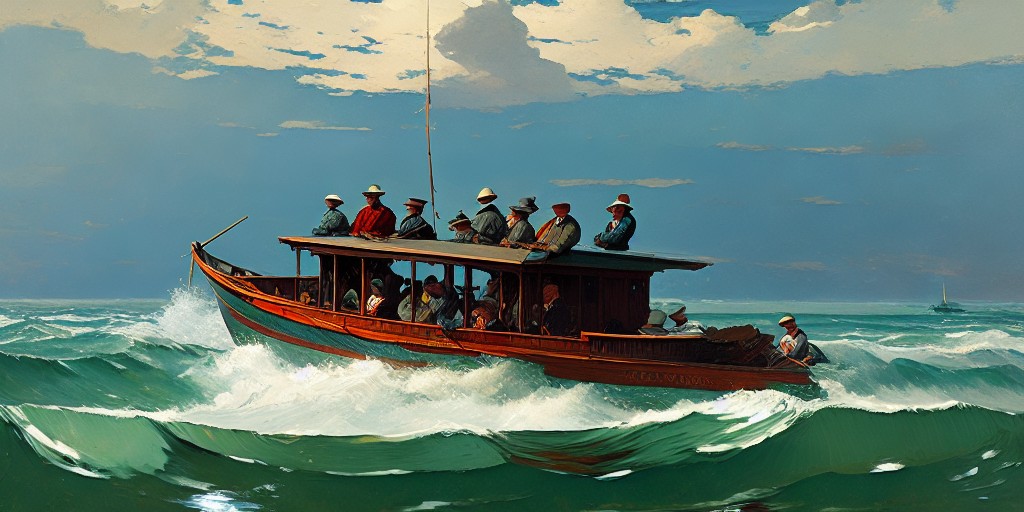
After some time, we heard a tiny steamer’s churning paddle wheels turning. After seeing the boat itself circling from cottage to cottage, passing through the nearby confined space, and crossing to the post office on the opposite shore with the mail—which was our guide’s responsibility to obtain—we realized it was time to return home. We regretfully say goodbye to the lake, its beauty forever etched in our minds.
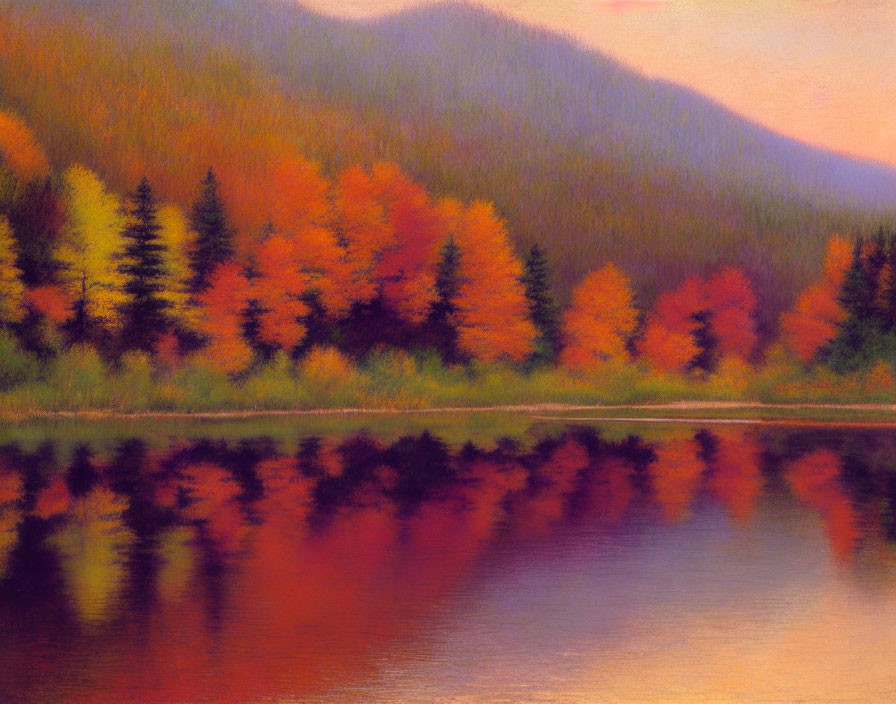
We couldn’t help but feel happy about our successful journey as we got on the train. We had experienced the strength of a mountain tempest, discovered ancient artifacts in the lake’s depths, and observed the tranquility of nature’s stillness.
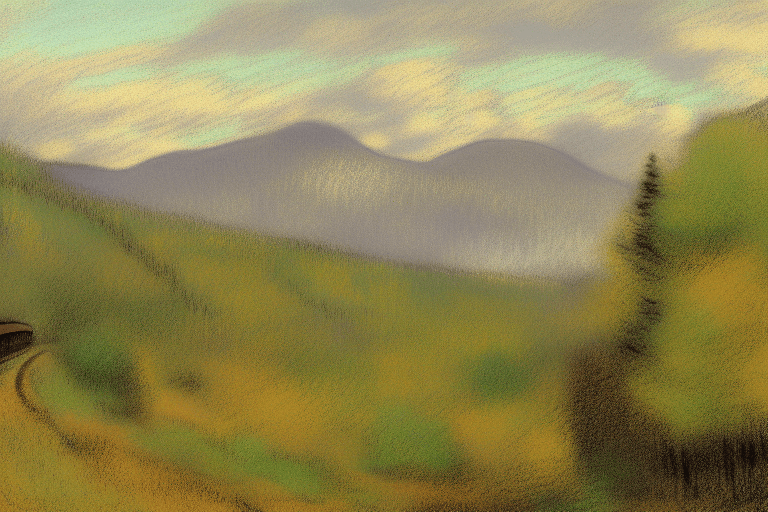
We were thankful to have the chance to see the beauty of the surroundings as we took the train back down the mountain. We were certain that Chateaugay Lake’s enchantment and the memories we had created there would live on forever.
We immediately went to the post office after we got back to town so we could submit our recently acquired treasures to a museum for preservation. We understood that these artifacts needed to be shared with the world because they were too significant to be kept to ourselves.
We couldn’t help but smile as we walked out of the post office as we considered the significance of our find. Even though it only made a small dent in the world’s knowledge of history, it was still a contribution.
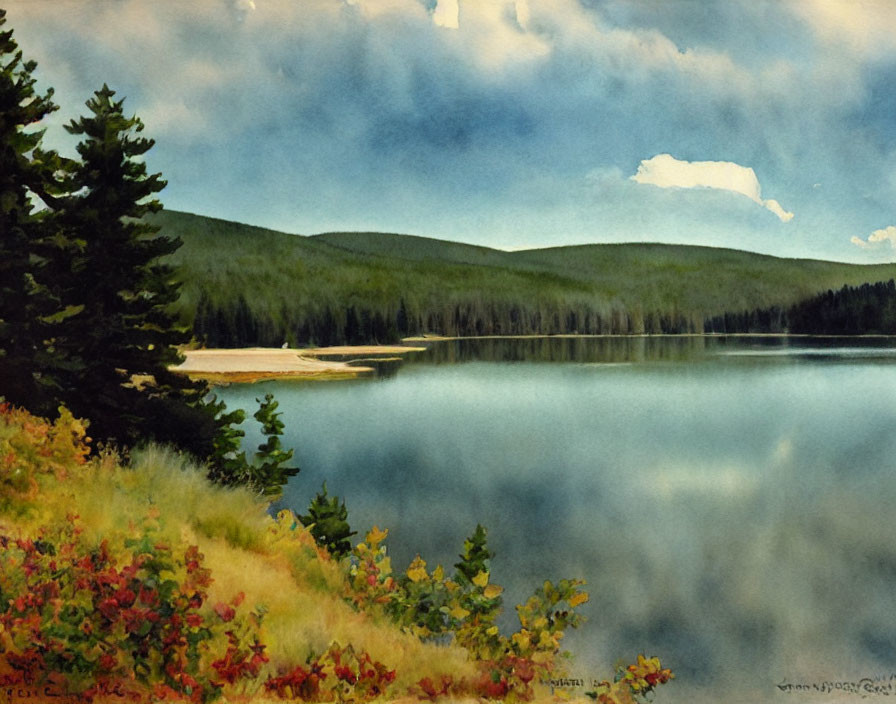
We kept going to Chateaugay Lake every summer as the years passed. We were constantly reminded of our original adventure and the memories we had created whenever we came back. We observed how the lake developed and changed, but its beauty never shifted.
Now that we’ve stopped and taken stock of our lives, we can see how important the trip to Chateaugay Lake was. It served as a reminder of the strength and majesty of nature as well as the value of exploring and learning about our surroundings.

What mysteries of Chateaugay Lake haunt you?